Understanding Kitchen Renovation: Transforming Spaces from Concept to Reality
TL;DR
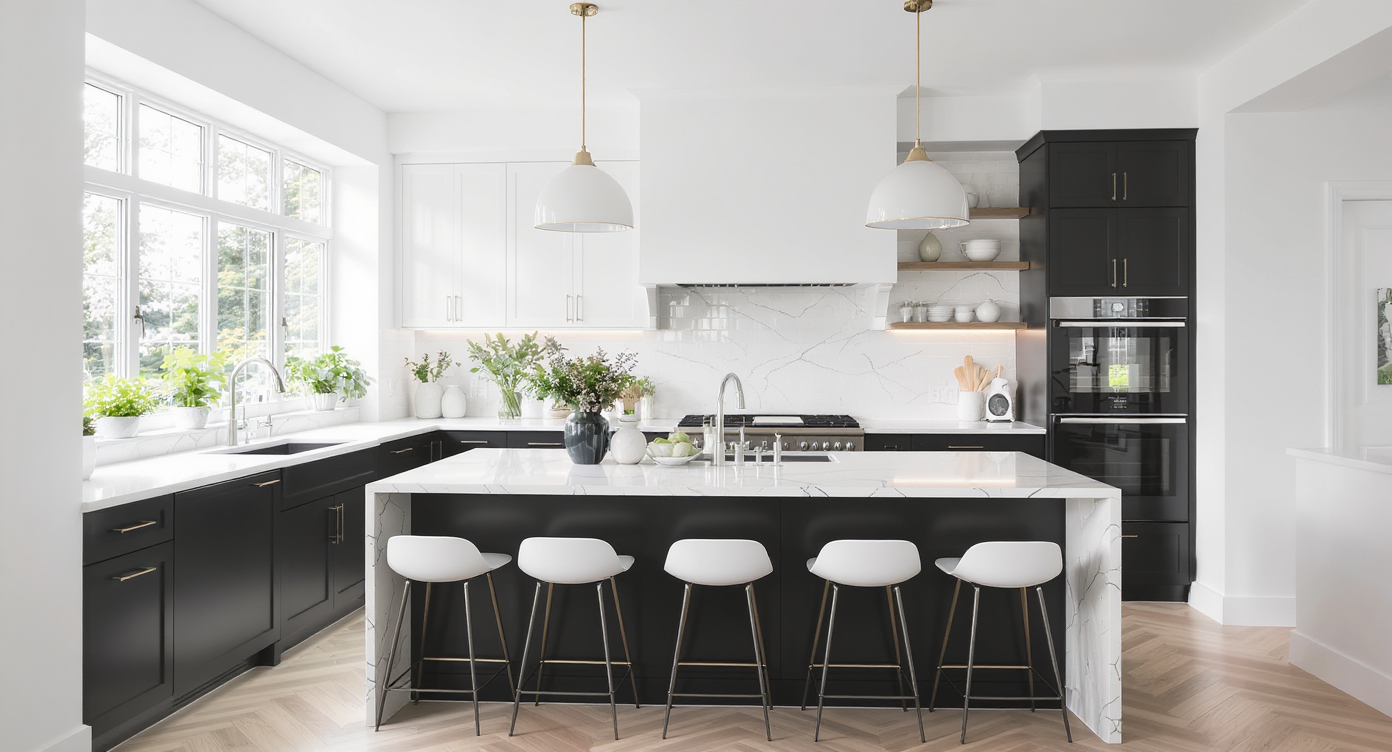
Renovating a kitchen is a delicate balance between aesthetics, functionality, and personal taste. While a monochromatic palette can offer a modern appeal, it may inadvertently sacrifice warmth and character. Achieving a balanced kitchen design involves understanding elements like color contrast and practical lighting. Homeowners should focus on personalized yet timeless designs that enrich daily life, using tools like ReimagineHome.ai for visual planning.
The Modern Kitchen Renovation Dilemma
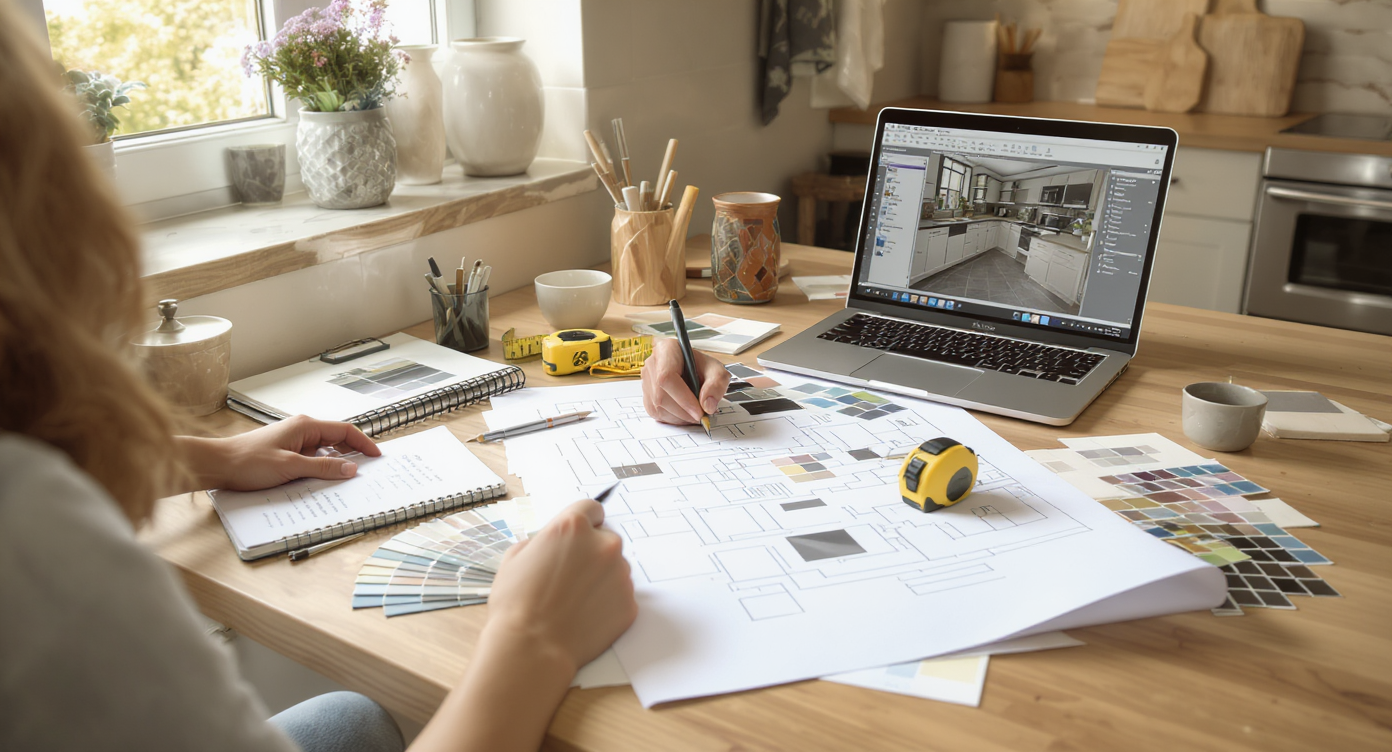
The renovation process begins with thoughtful planning and creative design choices.
Kitchen renovations often mark a significant milestone in any home's evolution, signifying hours of planning, design, and inevitable trade-offs. While bold contemporary styles might tempt due to their immediate wow factor, they risk omitting warmth and charm. Instead, a kitchen that truly satisfies does not merely align with fleeting trends but rather invites functionality fused with elements of personal character, creating a timeless space that feels both lived-in and forward-thinking.
-
Context & Framing
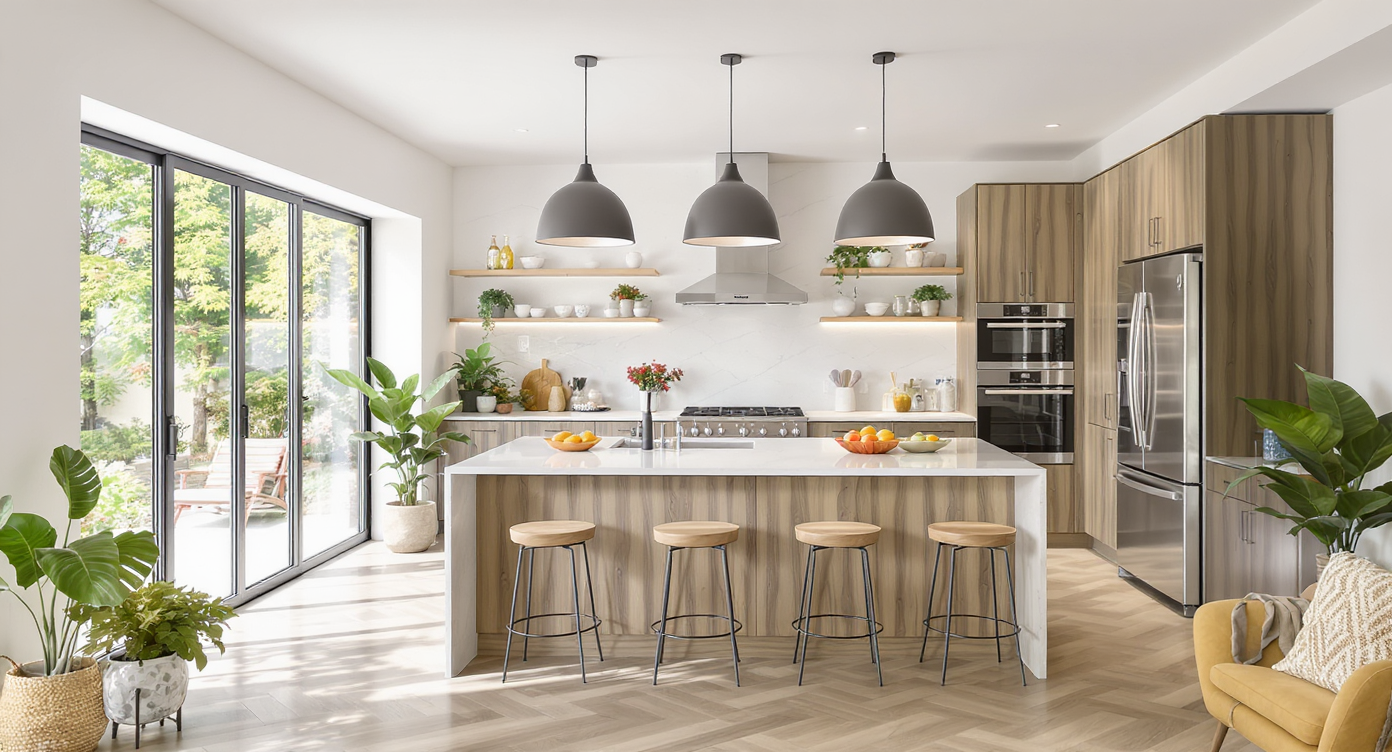
Open-plan kitchens enhance living spaces by blending functionality and stylish design.
In recent years, open-plan kitchens with sleek finishes have dominated the renovation landscape. These designs often prioritize modern appeal over warmth, creating spaces that can feel sterile if executed without balance. This phenomenon has prompted debate among homeowners and designers alike, wondering how to combine visual harmony with practical living, ensuring that a kitchen caters to everyday usability without feeling like a showroom.
Amid these trends, professional designers stress the importance of adding personal touches. It’s crucial to bridge high-concept renovations with everyday livability. A remodel shouldn’t just reflect the latest style but also the homeowner's tastes and the home's inherent personality. To understand how to effectively balance these elements, it's helpful to analyze recent trends and professional insights on kitchen transformations.
Expert Insight
Once, a homeowner embarked on a kitchen renovation with high-gloss finishes and ultra-modern appliances but soon found their kitchen felt more like a showroom and less like home. With the guidance of a seasoned designer, they incorporated rustic elements, such as wooden shelving and a vintage range, creating a cozy, lived-in balance.
-
How It Works in Practice
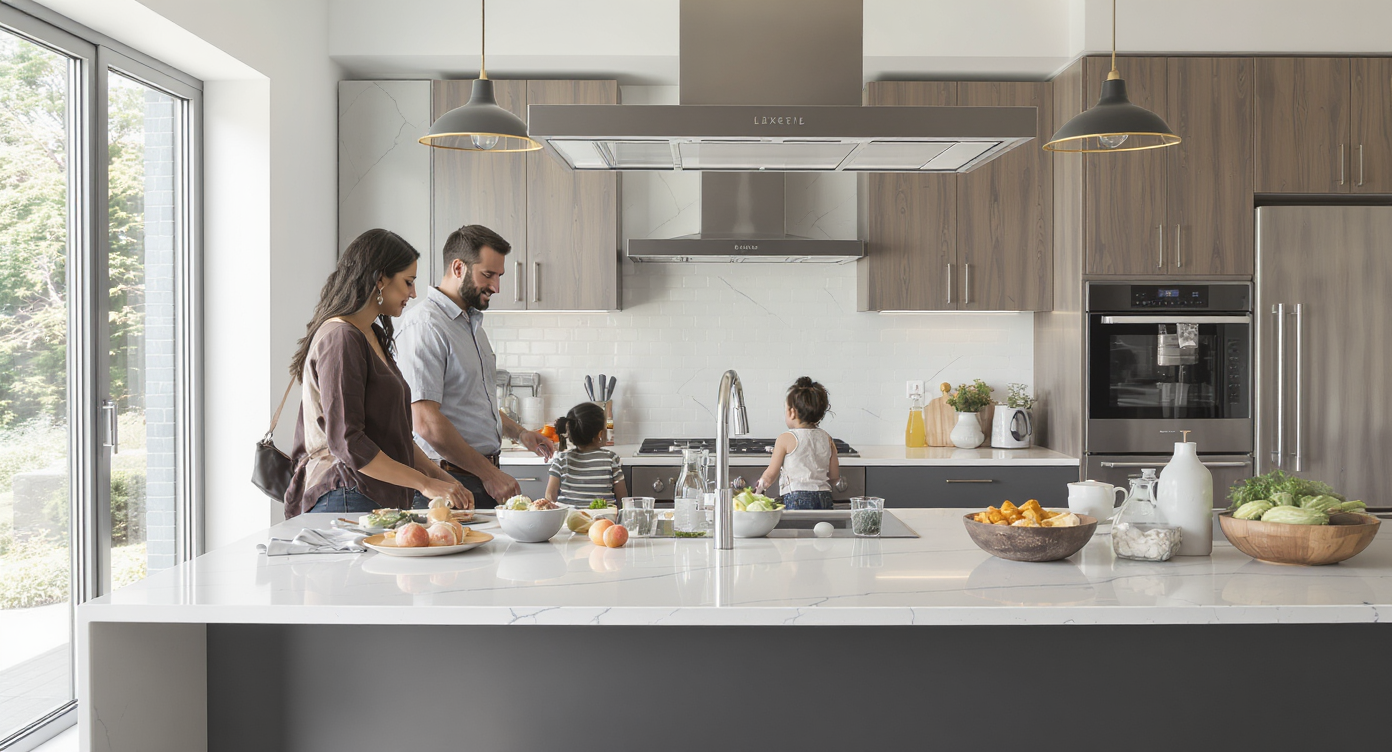
In practice, the kitchen is a lively heart of the home, merging style with everyday functionality.
The kitchen has always been the heart of the home, a space where functionality meets style. In practice, a successful renovation considers workflow efficiency, ease of maintenance, and aesthetic value. For instance, the placement of large appliances and the usability of countertops and cabinet space largely dictate the functionality of a kitchen. However, design choices like cabinet color and backsplash material also play critical roles in either enhancing or diminishing the room's warmth and usability.
Professionals often recommend an initial focus on layout, ensuring that the kitchen triangle (sink, stove, refrigerator) is optimized for movement and task flow. Many suggest starting with a palette that offers flexibility long term, avoiding overly trendy choices that may age poorly or require costly updates down the line. Using quality materials like durable stone or hard-wearing laminates can also ensure longevity and practicality, preserving kitchen aesthetics over years of use. -
Design, Planning, or Technical Insight
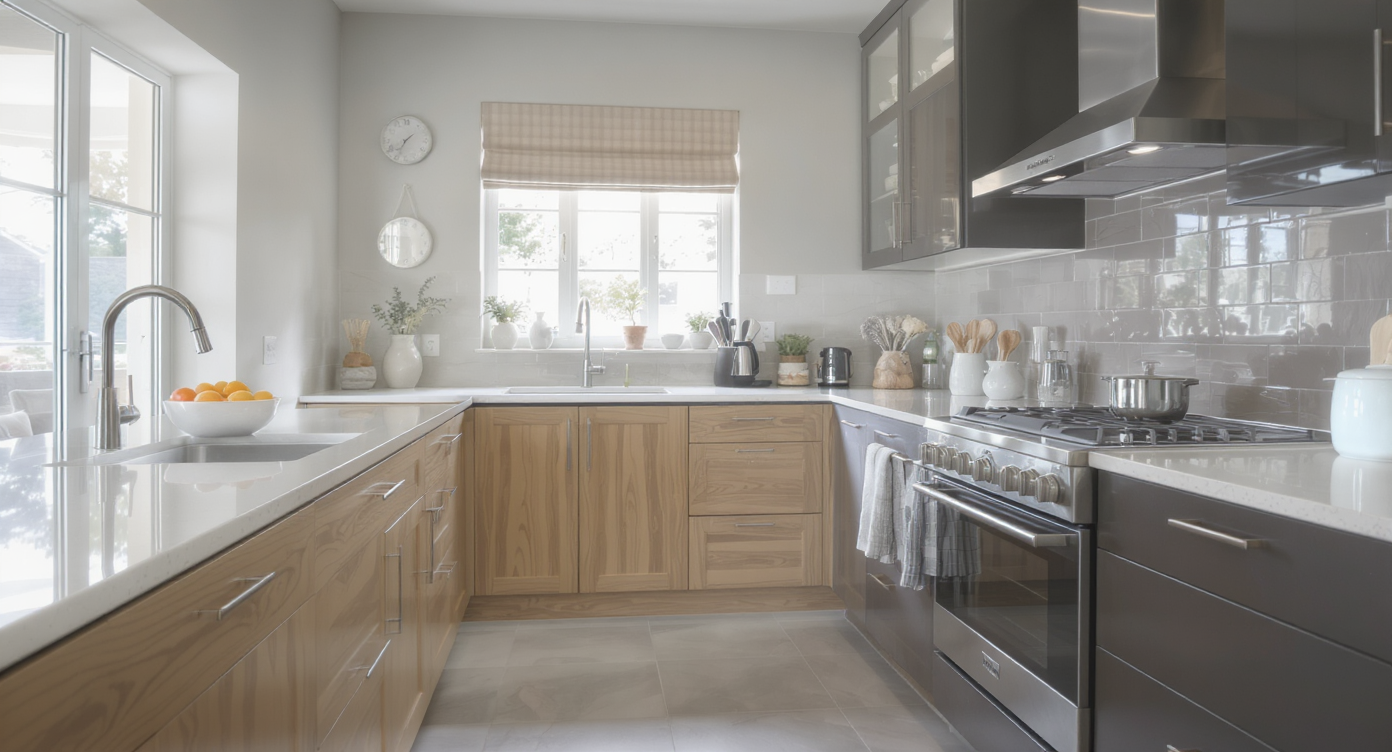
Effective kitchen design involves a deep understanding of space and user experience.
Effective kitchen design goes beyond mere aesthetics; it involves understanding spatial dynamics and integrating solutions that stand the test of time. Professionals often emphasize a few key considerations: the balance of colors, the appropriate use of materials, and lighting.
Lighting can significantly alter the perception of space and create ambiance. Designers usually recommend integrating several light sources, such as under-cabinet lights for work areas and pendant fixtures for ambient glow. A typical rule of thumb in lighting for a kitchen is to aim for 50-70 lumens per square foot to ensure the space is both functional and inviting.
Material selection is another critical aspect. Choosing counters with a balance of texture and ease of cleaning, like quartz or durable granite, can prevent wear and underscore the kitchen's aesthetic endurance. For cabinets, opting for shades that either harmonize with or stand out against chosen counters—like white with veined stone or charcoal with wood edges—can create visual interest without cluttering the design. -
Common Mistakes to Avoid
Avoid pricey renovation pitfalls by focusing on timeless design aspects and practicality.
Three common mistakes in kitchen renovations are choosing trends over timelessness, neglecting lighting, and misjudging scale and proportion.
- **Trends Over Timelessness:** Homeowners often opt for trending styles, which might lead to quick obsolescence. A better approach is blending current styles with classic elements that provide longevity.
- **Ignoring Lighting:** Poor lighting can make a space uninviting. Even beautiful kitchens lose appeal when illumination isn’t strategically planned to highlight features and support tasks.
- **Misjudging Scale and Proportion:** Large kitchen islands or oversized appliances can overwhelm a space. Maintaining adequate walking space and a cohesive sense of proportion ensures practical use and aesthetic balance.
-
Tips & Expert Insights

Expert insights are crucial for a successful kitchen renovation, guiding practical design choices.
For a successful kitchen renovation, experts highlight a few practical tips:
- **Plan for Adaptability:** Choose a neutral base palette that allows for future color updates through paint, accessories, or fixtures. According to our guide on timeless kitchen design, this provides flexibility as preferences and trends evolve.
- **Focus on the Layout:** Ensure the layout supports efficient workflow, allowing multiple people to work comfortably. Experts suggest revisiting the traditional kitchen triangle and considering modern, open layouts that foster collaboration.
- **Utilize 3D Planning Tools:** Employ virtual layouts to visualize potential designs before committing. Platforms like ReimagineHome.ai allow users to explore material combinations and lighting effects virtually, reducing the risk of costly mistakes.
-
Visualization & Decision-Making

Visualizing design options helps in making informed decisions during kitchen renovations.
When undertaking a renovation, seeing a design come to life ahead of time can influence decision-making. Visualization tools such as those provided by ReimagineHome.ai are invaluable, allowing users to test different layouts, light schemes, and color palettes in real-time without the immediate financial commitment. This technology helps homeowners gain confidence in their choices by previewing changes from various angles and lighting conditions.
The process of visualization supports professional advice by minimizing surprises during physical installs. It serves as both an inspiration and a practical resource, bridging the gap between concept and completed renovation. As homeowners explore various designs, they can refine their ideas and align them closer to their desired outcomes, ultimately achieving spaces that resonate with their lifestyle.
Visualization Scenario
Imagine launching your kitchen redesign by virtually touring your soon-to-be updated space. Using ReimagineHome.ai, you seamlessly swap wall colors, test light setups, adjust cabinet finishes, and visualize the impact of these changes on your kitchen's daylight and evening ambiance.
Frequently Asked Questions
Blend durable traditional materials like wood and stone with modern lines and finishes for a timeless, adaptable base.
What is the significance of lighting in kitchen renovations?
Proper lighting enhances food prep visibility, showcases design elements, and ensures the space feels inviting. Aim for layered lighting strategies.
Why is layout so essential in kitchen design?
Efficient layouts facilitate movement, ease of use, and maximize counter and storage space, crucial for maintaining a practical and pleasant kitchen environment.
Achieving a Cohesive Kitchen Renovation
A truly impressive kitchen renovation balances the functional needs of a household with aesthetic elements that imbue warmth and personality. While modern styles bring sleekness and efficiency, incorporating elements of timeless design ensures the space remains appealing over time. Avoiding common pitfalls and leveraging expert tips can further enhance the renovation experience, making it both rewarding and future-proof. Whether previewing designs through ReimagineHome.ai or applying sound design principles, the path to a harmonious kitchen is paved with thoughtful planning and creative visioning.