7 Design Tips for Leaning Toward Dark Accents in Your Home Decor
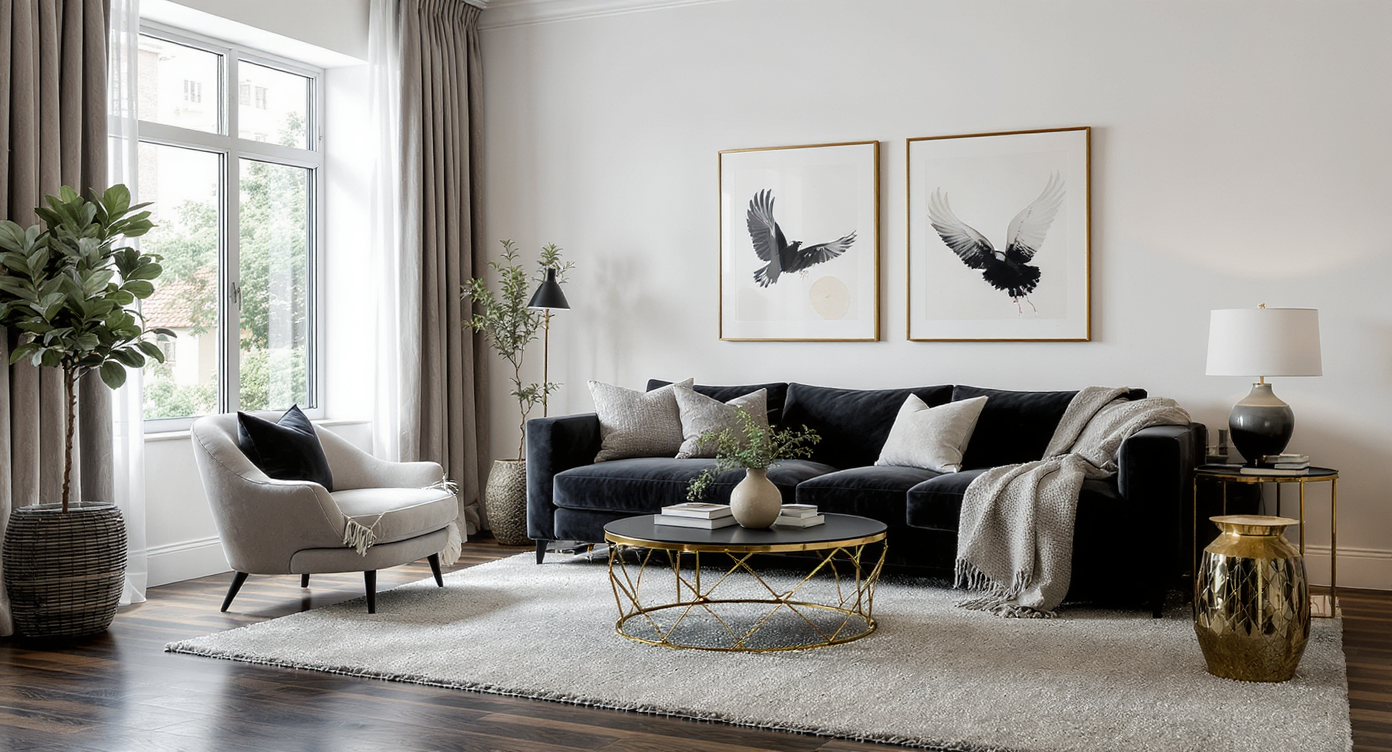
TL;DR
Considering incorporating dark accents in your home? Focus on balancing rich, dark tones with warm and harmonious elements throughout your space to avoid feeling overwhelmed. Strategic updates, such as changing hardware and enhancing lighting, can help you achieve a sophisticated, cohesive look without a complete overhaul.
Striking the Balance with Dark Accents
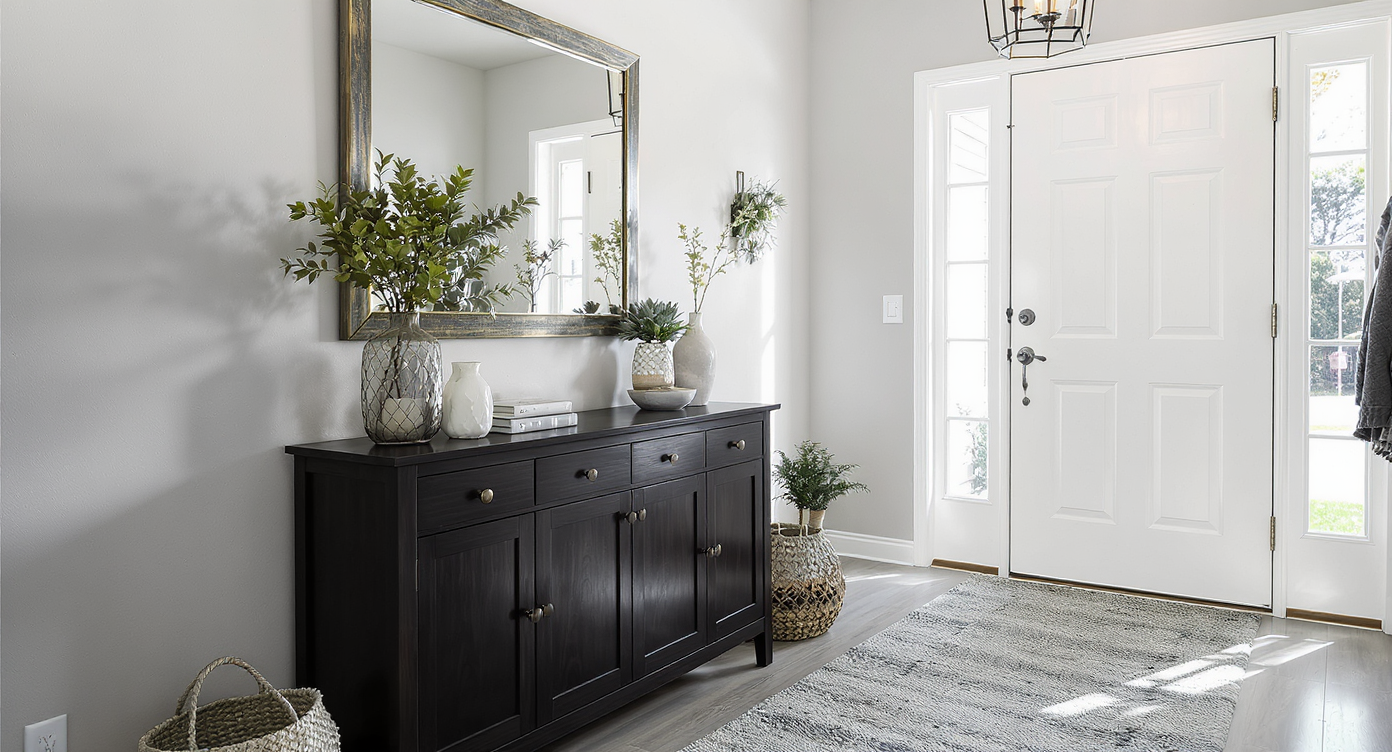
The right accents can dramatically enhance your home's character and feel.
Choosing the right accents can transform the character and feel of a room. Dark accents, with their rich hues and dramatic flair, have become increasingly popular among homeowners looking to add depth and sophistication to their interiors. However, achieving the right balance is key; too much darkness can make a space feel smaller or less inviting. By strategically incorporating dark accents, you can create a space that feels both opulent and welcoming. In this article, we’ll explore seven essential design tips to master the art of dark accents in your home decor.
-
01. Emphasize Contrast with Light Walls
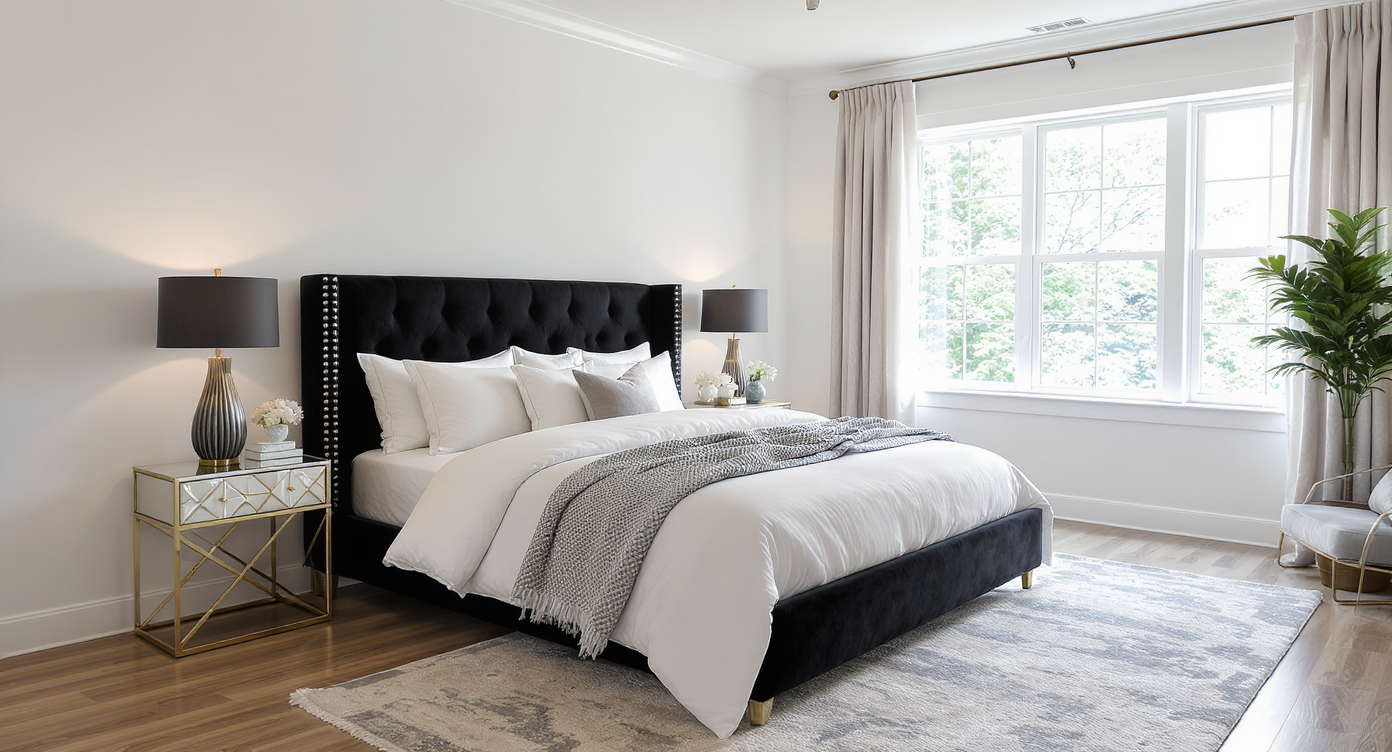
Emphasizing contrast creates a striking balance in your bedroom decor.
A foundational rule when incorporating dark accents is to ensure adequate contrast. Dark elements such as furniture, doors, or cabinetry stand out beautifully against lighter walls, allowing each to complement and highlight the other. "Designers often note that a lighter wall can make dark accents feel more intentional rather than accidental." The contrast creates visual interest and room depth, preventing the dark features from swallowing the space. Balance this approach by testing paint colors that enhance contrast while maintaining harmony.
Expert Insight
A homeowner decided to embrace dark accents in their open-plan living space. By painting one wall a deep charcoal and switching out hardware for brass, the room gained a new depth and sophistication without changing the furniture. Adding a multicolored rug and a few velvet cushions completed the transformation, balancing richness with cozy warmth. It was this thoughtful approach that made the space feel curated and intentional, reaffirming their choice.
-
02. Choose the Right Lighting
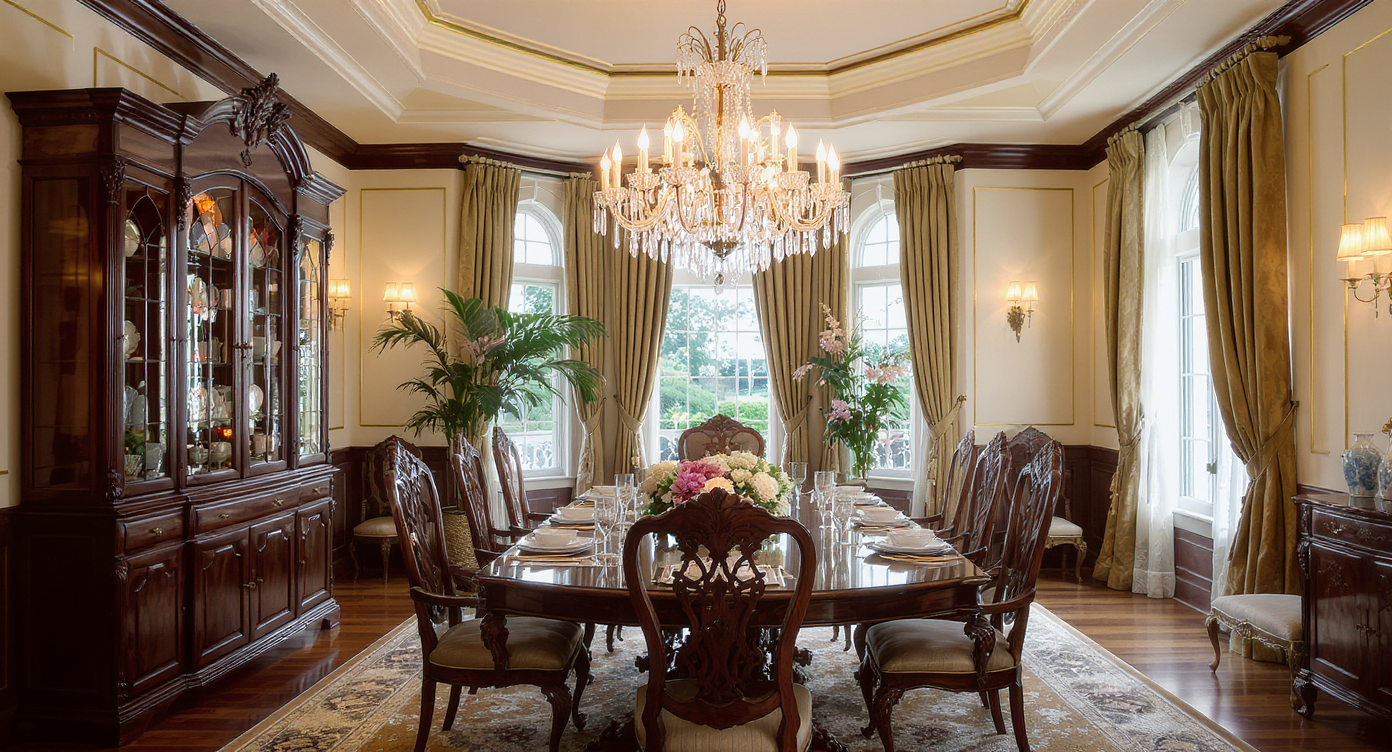
Choose the right lighting to enhance your dark accents and create an inviting atmosphere.
Lighting plays a crucial role in how dark accents appear. Opt for lighting that highlights your dark features and blends seamlessly into the space. "In practice, this usually shows up as warm-toned lighting that softens the mood." Try integrating layered lighting solutions, including sconces and table lamps, to add dimension and depth. Consider warmth-enhancing lighting to ensure your space remains inviting.
-
03. Integrate Touches of Warm Metals
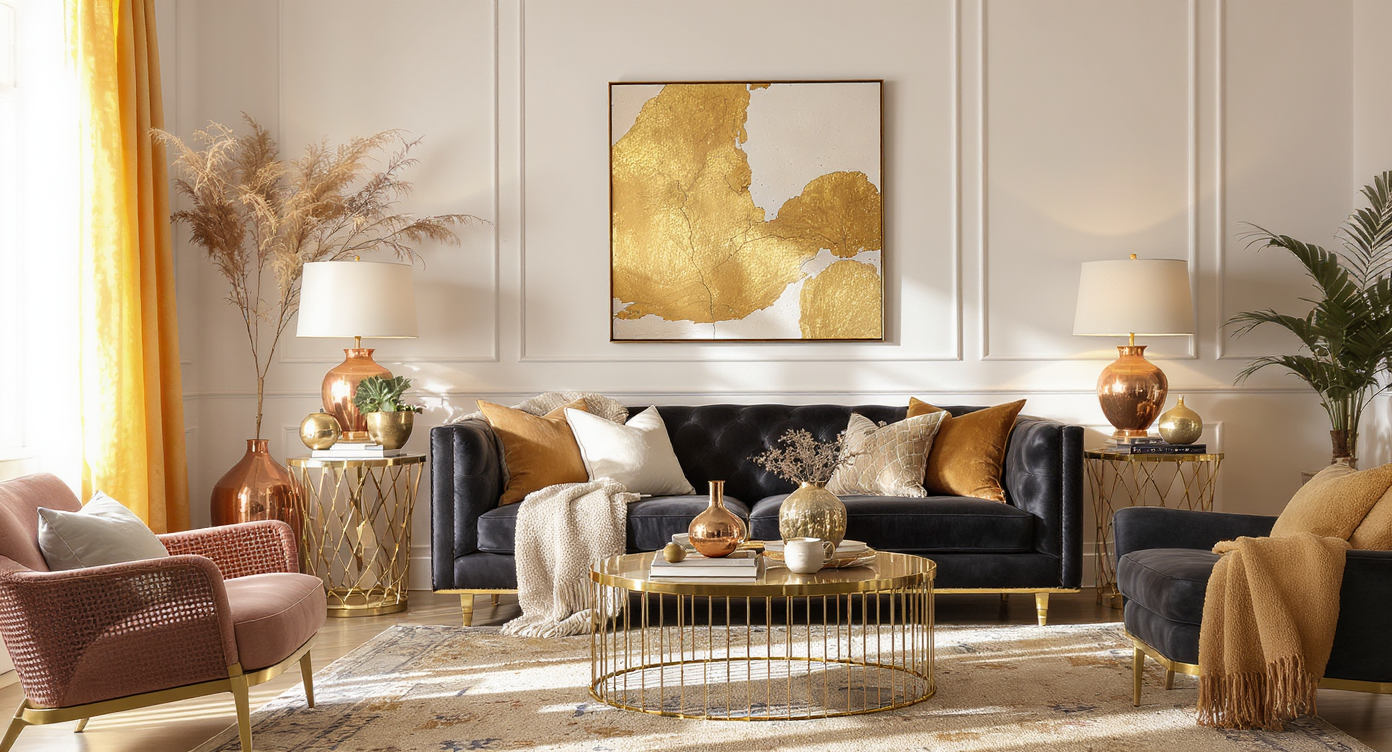
Integrate warm metallic tones to soften dark accents for a balanced design.
To avoid your dark accents feeling too stark, incorporate warm metal elements such as brass or copper. These materials add a touch of elegance and brightness. "Metallic hardware stands out against dark backgrounds while tying together an overarching color scheme." Consider swapping out existing hardware or adding new metal accessories to unify the room.
-
04. Use Textures to Add Depth
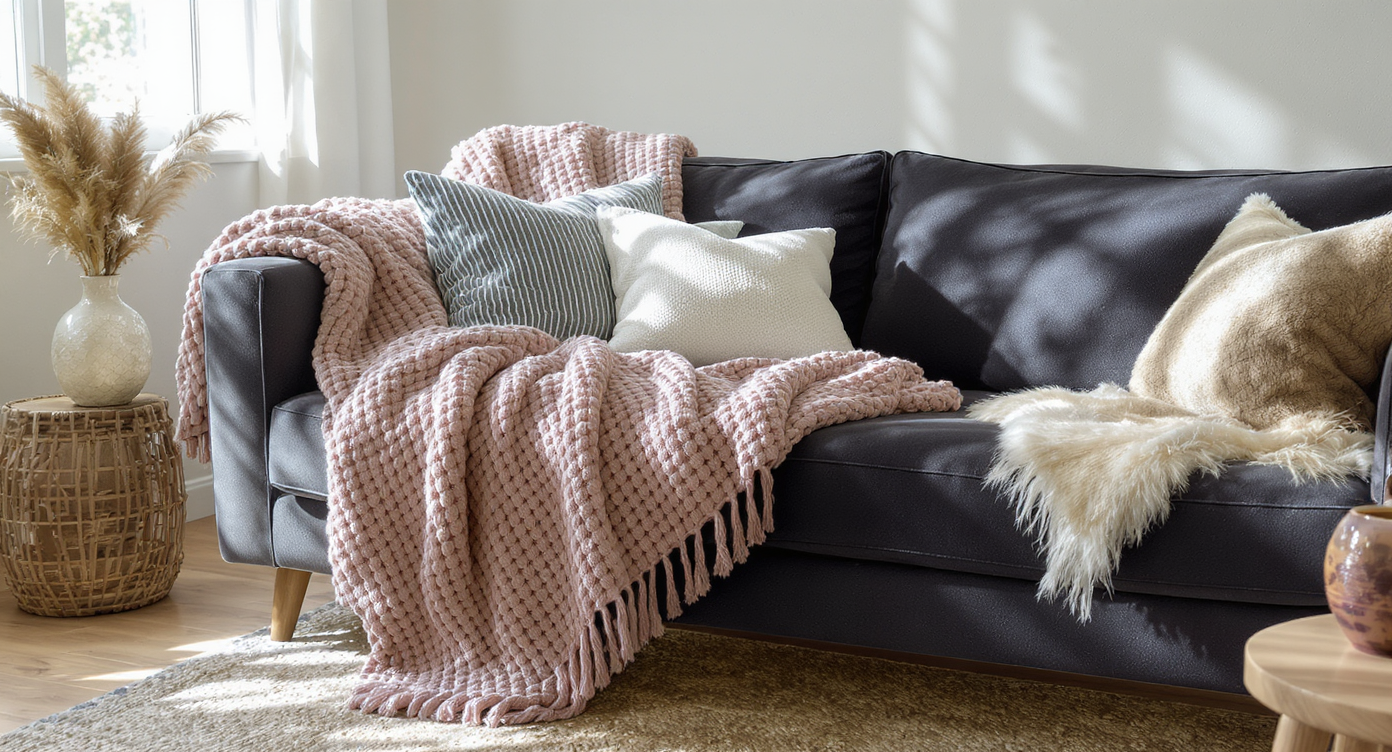
Use different textures to add depth and warmth to your dark-accented decor.
Textiles can soften and enrich spaces dominated by dark accents. Incorporate a variety of textures through materials like velvet, wool, or even leather, to add layers without overwhelming the space. "In real homes, this tends to happen when mix-matching textures elevate dark elements, creating warmth and interest." Enhance the tactile quality of a room by pairing dark elements with a mix of textures found in current design trends.
-
05. Select Complementary Wood Tones
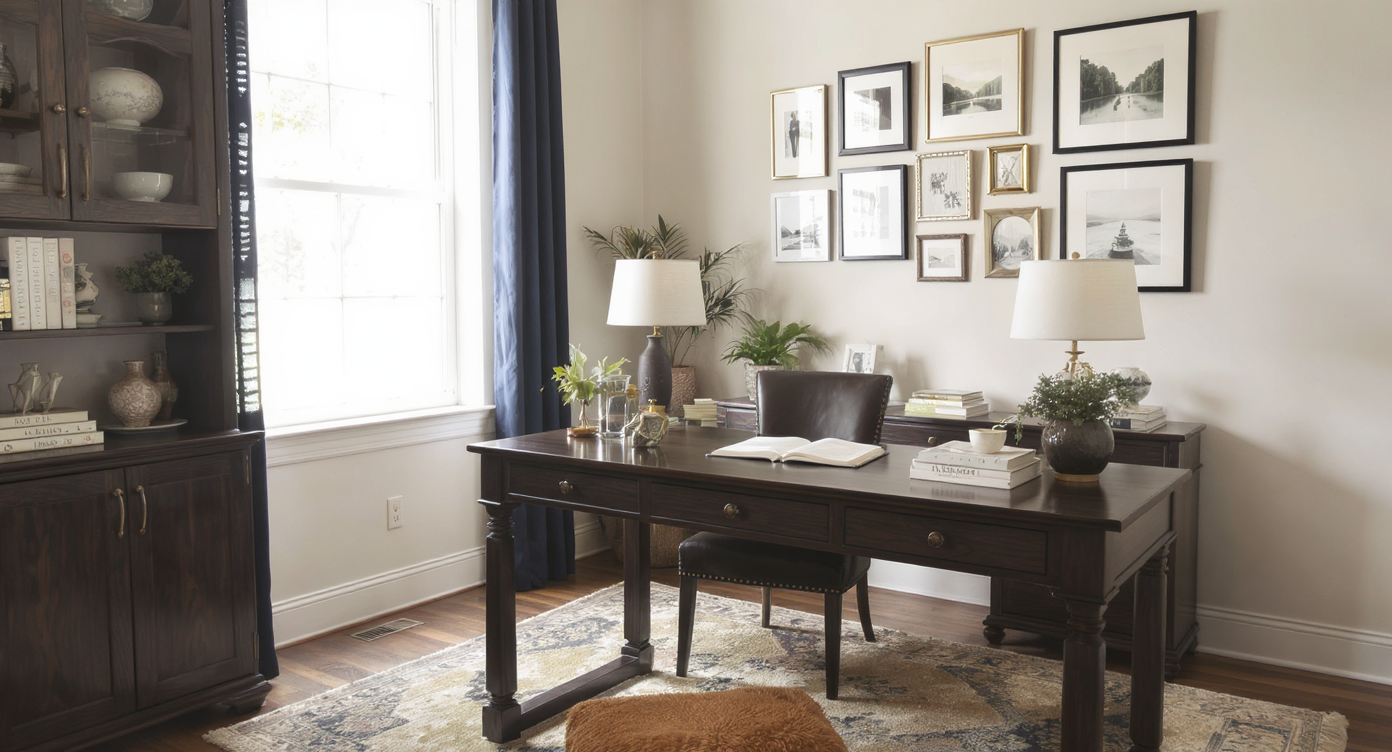
Select complementary wood tones to enhance the harmony of dark accents in your home.
Choosing the right wood tones can create harmony with dark accents. Lighter wood contrasts beautifully, adding warmth and earthiness. "Designers often suggest matching wood tones to the dark features’ undertones for cohesion." This not only harmonizes the space but can make dark elements feel integrated rather than isolated.
-
06. Feature Dark Elements Sparingly
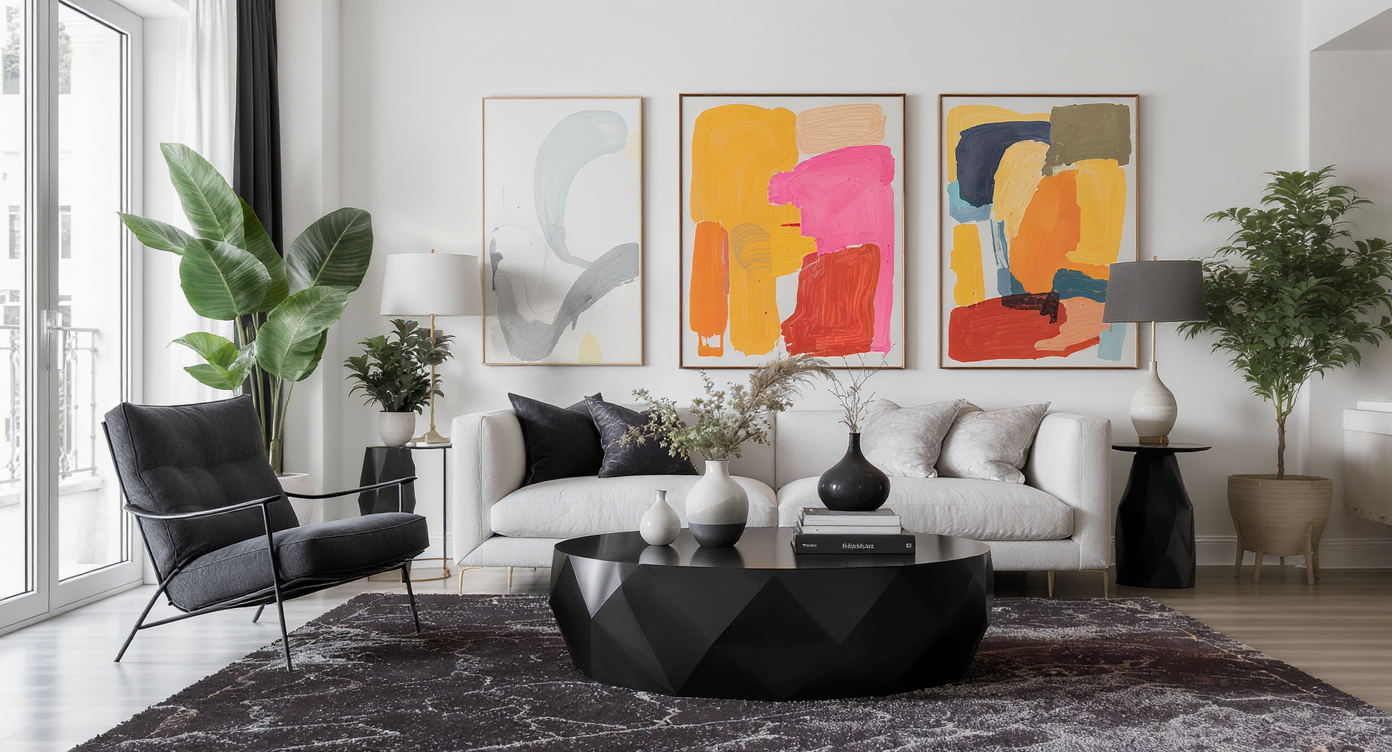
Feature dark elements sparingly for a refined, balanced approach to decor.
While tempting, it’s crucial not to overuse dark accents. They are most effective when used sparingly to draw attention to specific areas of a room. "A common issue professionals see is the crowding of dark features, which can diminish their impact." Instead, use dark accents to highlight natural focal points such as feature walls, built-in shelving, or staircases.
-
07. Experiment with Artwork and Accessories
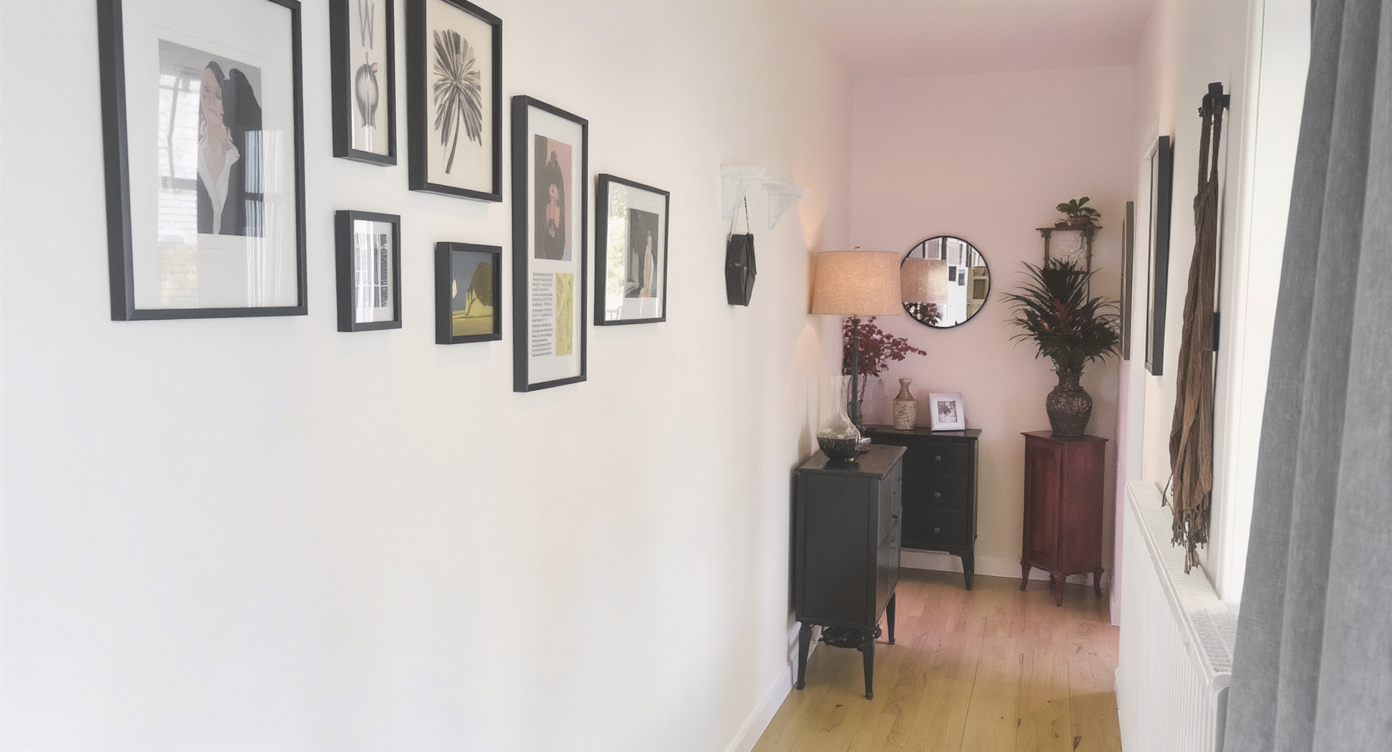
Experiment with artwork and accessories to complete your dark-accented home decor.
Completing your dark-accented space with the right artwork and accessories can balance the overall aesthetic. Choose pieces with complementary colors or themes that tie into your decor without competing for attention. "In practice, this usually shows up as carefully curated collections that enhance rather than overwhelm." Consider changing out frames, textiles, and even plants to find the perfect supporting details. For more inspiration on complementary elements, explore color pairings that enhance room textiles.
Visualization Scenario
Imagine stepping into an inviting living room where a dark feature wall elegantly frames the fireplace. Light, airy walls serve as a backdrop for plush, ambient lighting fixtures that encircle the space, highlighting brass vases and antique mirrors delicately positioned on artful shelves. It exudes sophistication as textured throws and velvet pillows draw visitors into the space, encouraging rest and introspection.
FAQs on Using Dark Accents
How do you balance dark accents with light elements in a room? Balance can be achieved by using contrasting light walls and ensuring ample light sources. Opt for warm-toned lighting and metallic accents that complement the dark elements.
How can I incorporate dark accents without making a room feel smaller? Use judicious placement and ensure dark features complement surrounding elements. Pair with light walls, reflective surfaces, and adequate lighting to maintain a sense of space.
What kind of lighting works best with dark accents? Warm-toned lighting with a high CRI (Color Rendering Index) enhances dark features and makes the room inviting. Dimmers and layered lighting also help create a dynamic atmosphere.
Are there rules for matching dark furniture with other room elements? Yes, focus on complementary colors and textures. Use light or natural wood tones and integrate textiles to add warmth and cohesion to the overall decor.
Can dark accents work in a small room? Absolutely! You just need to ensure ample light and thoughtful placement. Dark accents can add character and depth to any space, including small rooms.
Final Thoughts
Dark accents bring a dynamic and sophisticated quality to any space when used wisely. By focusing on contrast, complementing textures, strategic lighting, and sparing use, these accents can enhance your home’s warmth and elegance without overwhelming the space. Each room’s design should feel intentional and balanced, reflecting your personality and style without sacrificing comfort or functionality.