7 Essential Design Tips for a Balanced Bedroom Sanctuary
TL;DR
Achieve equilibrium in your bedroom by focusing on key elements like rug placement, wall art scale, lighting layers, and effective window treatments. A few thoughtful changes can create a relaxing environment that reflects your personal style.
Introduction
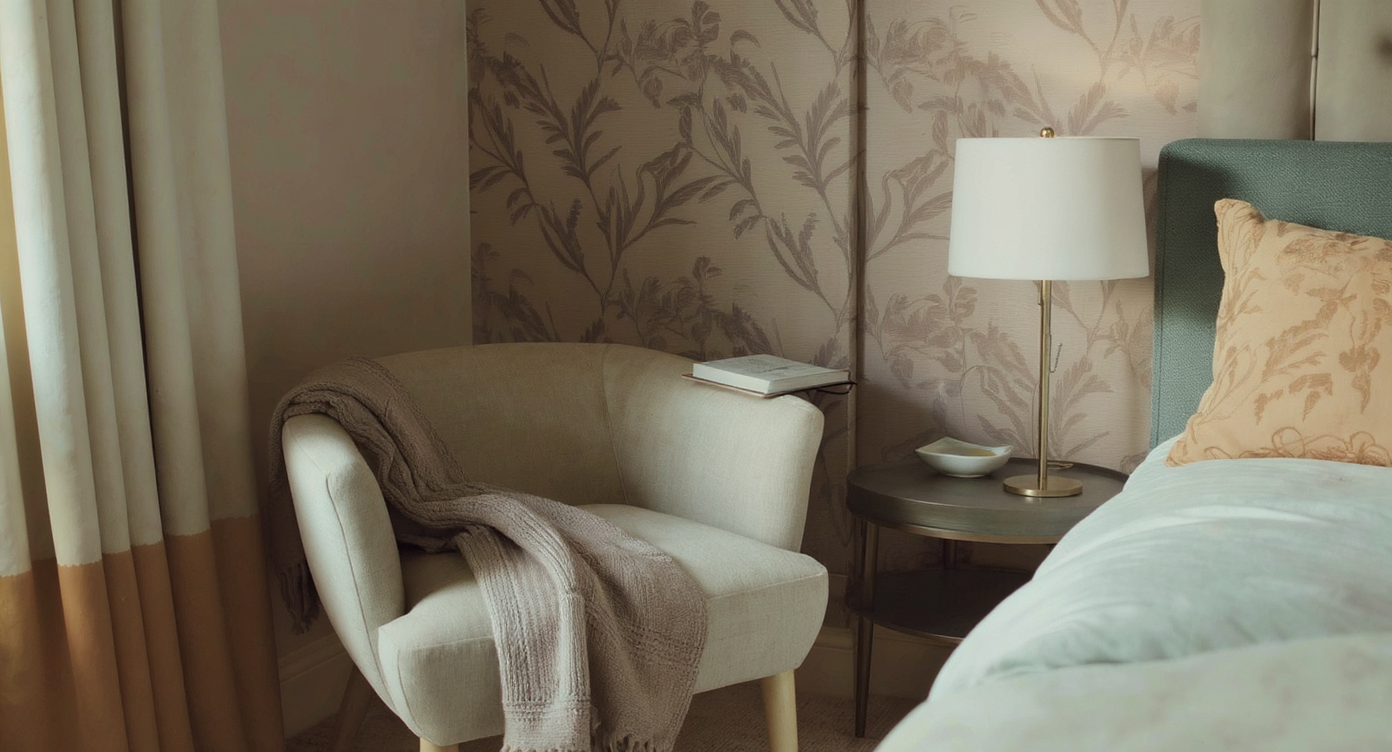
Create an inviting atmosphere with harmonious design elements in your bedroom.
Creating a serene and inviting bedroom is more than just a matter of aesthetics. It's about harmonizing functionality and comfort to design a space that truly feels like a retreat. Whether you're moving into a new home or simply redecorating, paying attention to details like rug placement, scale of decor, and lighting can make all the difference. Here are seven strategies to transform your bedroom into a well-balanced haven, ensuring comfort, style, and functionality blend seamlessly.
-
01. Optimize Rug Placement
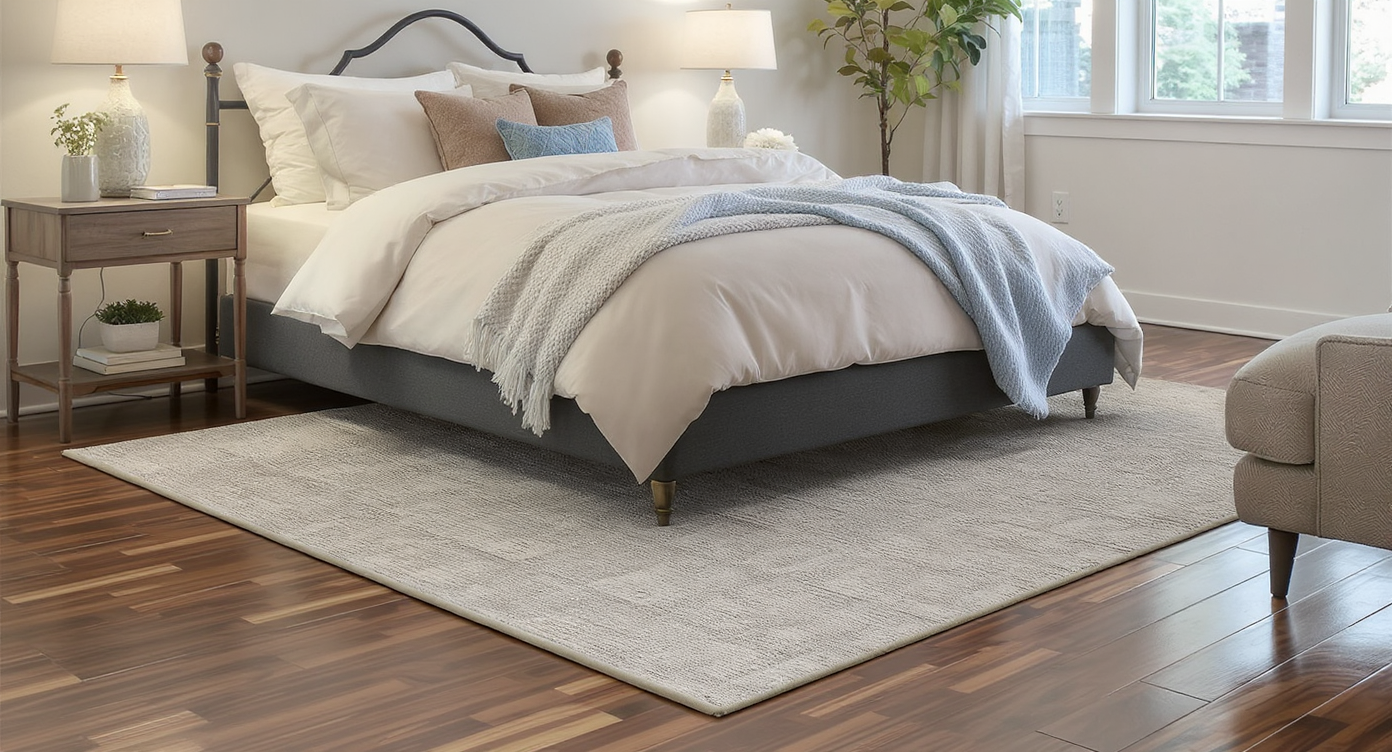
Optimize rug placement to create a grounding effect in your bedroom design.
Ensuring your rug is properly placed can ground your entire bedroom setup. Ideally, the rug should extend from the nightstands and beyond the foot of the bed, providing a soft landing spot for your feet each morning. A standard approach involves an 8x10 rug for a queen bed, ensuring it covers at least the front two-thirds of the bed. This technique enhances both comfort and visual coherence, drawing the eye naturally across the bed layout. If your rug sits awkwardly beneath other furniture like a dresser, consider repositioning to create a more cohesive layout.
Expert Insight
I recently helped a friend redecorate her bedroom using these principles. By focusing on repositioning the rug and adjusting the lighting setup, she turned a previously chaotic space into a peaceful haven. Her favorite change was swapping out a bulky dresser for sleeker nightstands, which unexpectedly freed up the room and provided a fresh perspective on space aesthetics and utility.
-
02. Scale Down Oversized Art
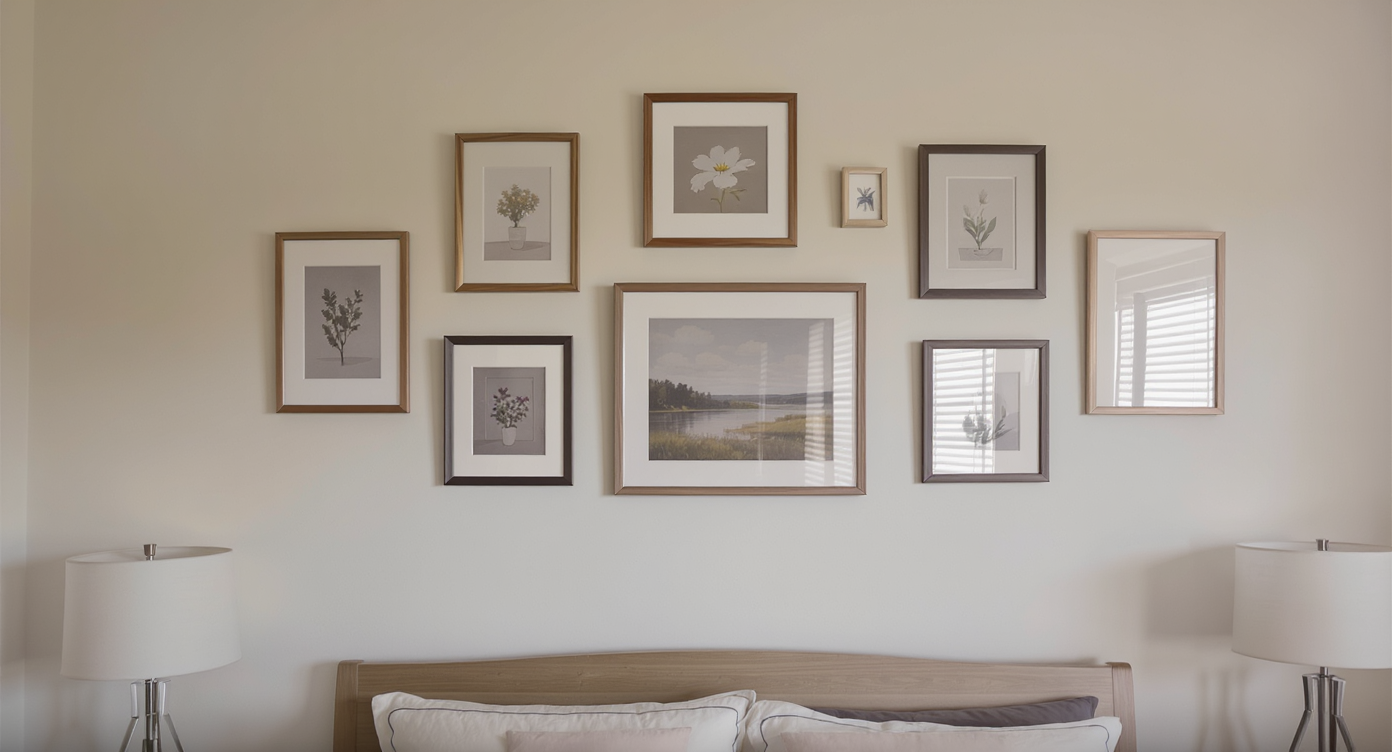
Scale down oversized art to maintain balance in your bedroom design.
Wall art can set the tone of a room, but oversized pieces can overwhelm the space, especially above the bed. Experts recommend choosing artwork that takes up roughly two-thirds the width of your bed, hanging it about 6-8 inches above the headboard. This creates a visually pleasing focal point without overpowering. Alternatively, consider a collection of smaller, coordinated pieces that add texture and personality. By balancing proportions, your artwork complements rather than competes with other design elements.
-
03. Enhance Lighting Layers
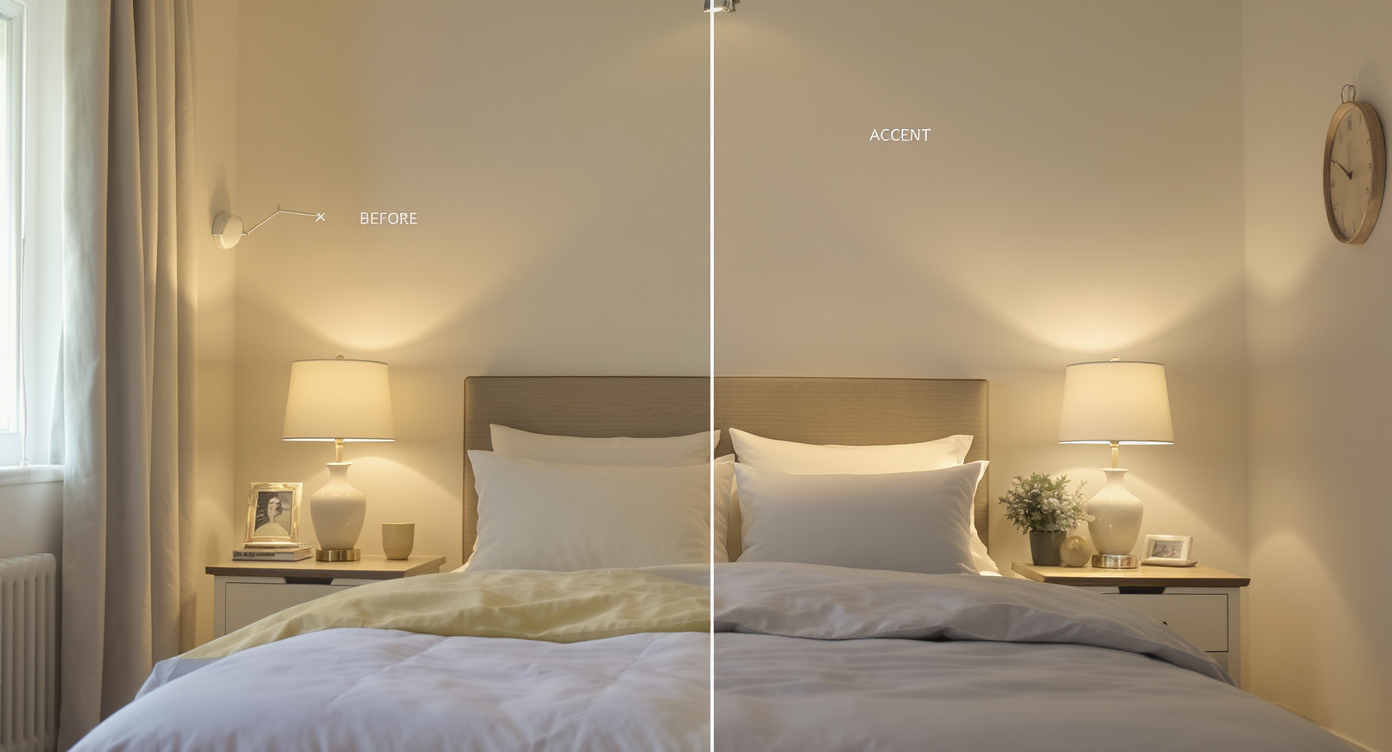
Enhance your bedroom's atmosphere with layered lighting for a welcoming feel.
A well-lit bedroom combines ambient, task, and accent lighting to create a welcoming atmosphere. Use warm 2700K bulbs to maintain a relaxing, cozy environment. Balance a central overhead light with bedside lamps and additional accent lights like wall sconces. According to our guide on increasing room ambiance, layering light sources can significantly improve the room’s functionality while adding charm and warmth. Experiment with dimmable fixtures to further customize mood and brightness.
-
04. Choose Quality Window Treatments
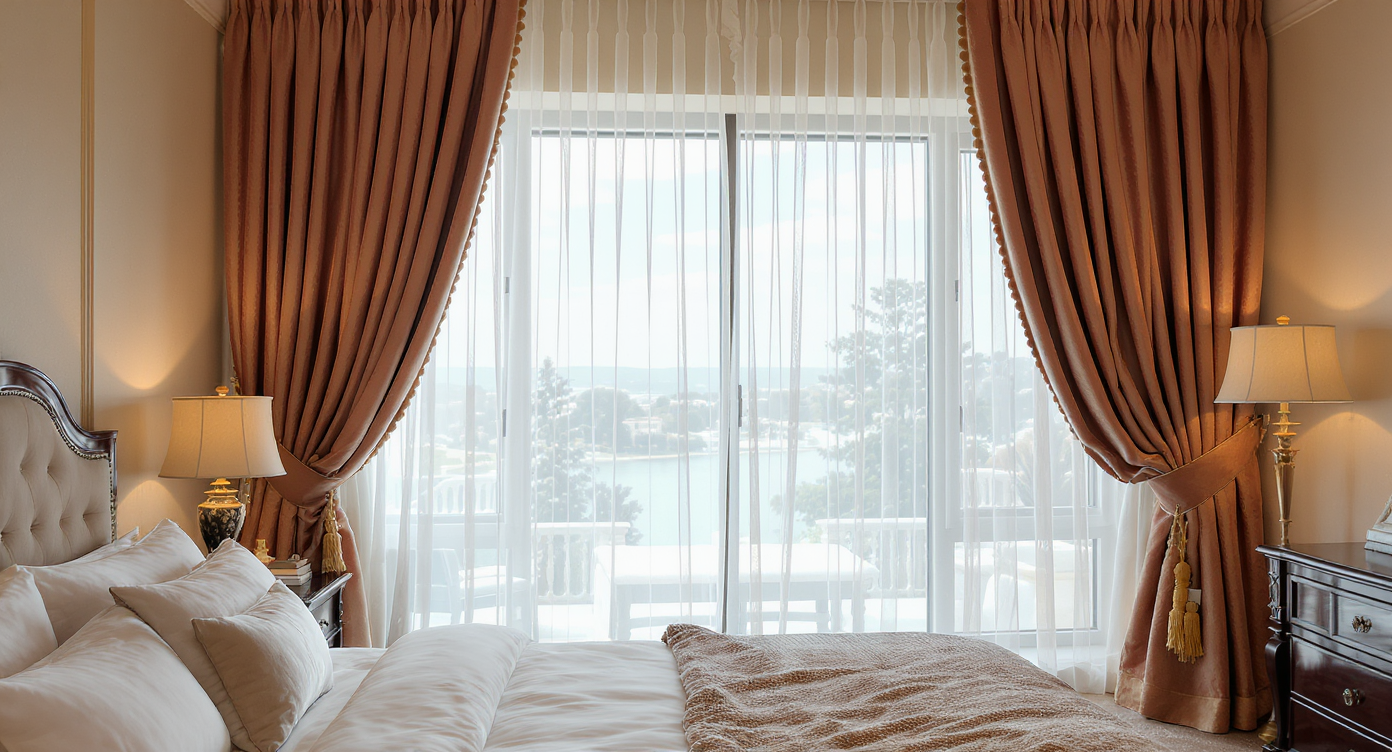
Choose quality window treatments to elevate the perception of space in your bedroom.
Curtains or wooden blinds can dramatically alter the perception of space. Opt for floor-to-ceiling curtains to add height and drama, or natural wooden blinds for a crisp, clean look. According to advice from ReimagineHome, choosing the right window treatment not only enhances privacy but also contributes to soundproofing and light control, essential for a restful sleep environment. Opt for materials that complement your color palette, adding layers and texture.
-
05. Integrate a Cohesive Color Scheme
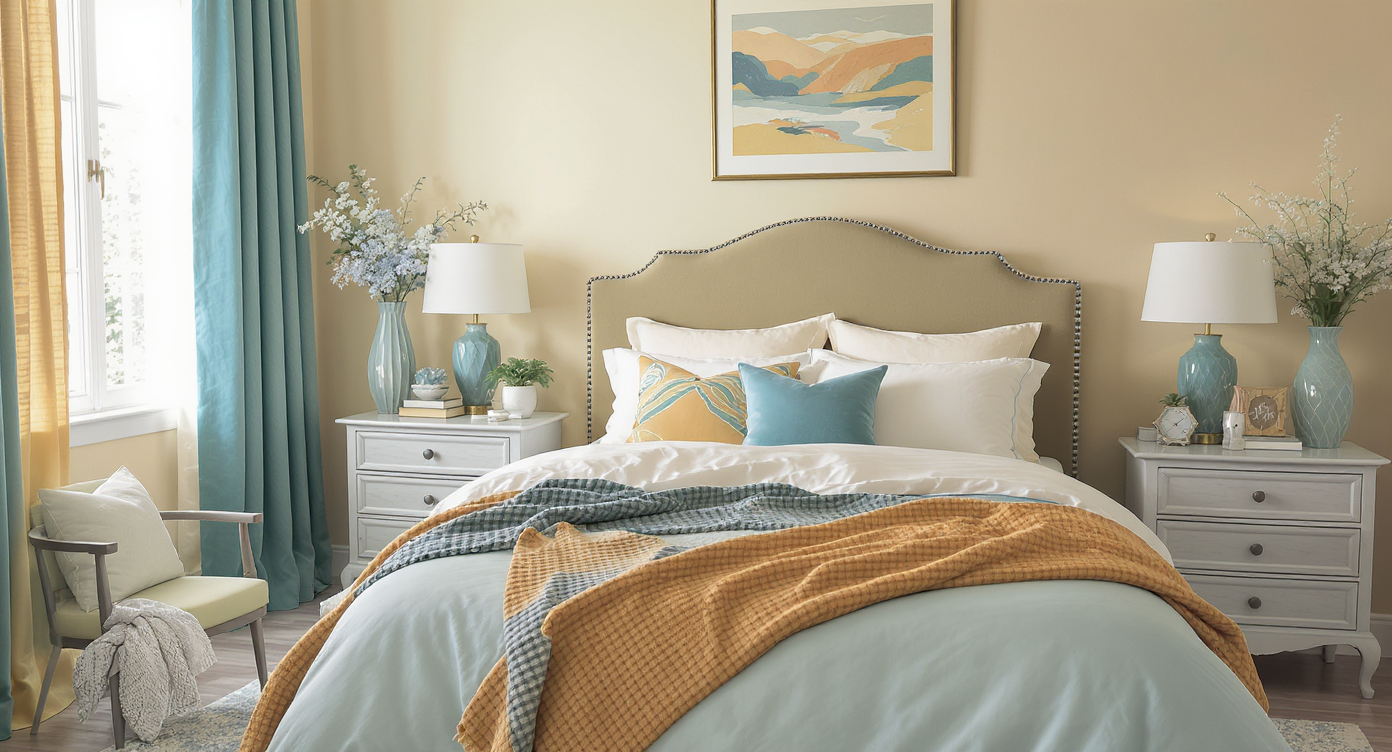
Integrate a cohesive color scheme for a harmonious bedroom design.
A unified color palette ties together all elements of a room, providing a coherent backdrop that soothes and unites. Select a 60-30-10 color rule: 60% being the dominant color, 30% the secondary, and 10% an accent. This formula keeps the focus harmonious without overwhelming the senses. The best colors for bedrooms are typically neutral or cool tones that promote rest and relaxation. As we explored in the comprehensive color scheme post, strategic color use can subtly enhance a room's overall feel.
-
06. Incorporate Personal Touches with Textiles
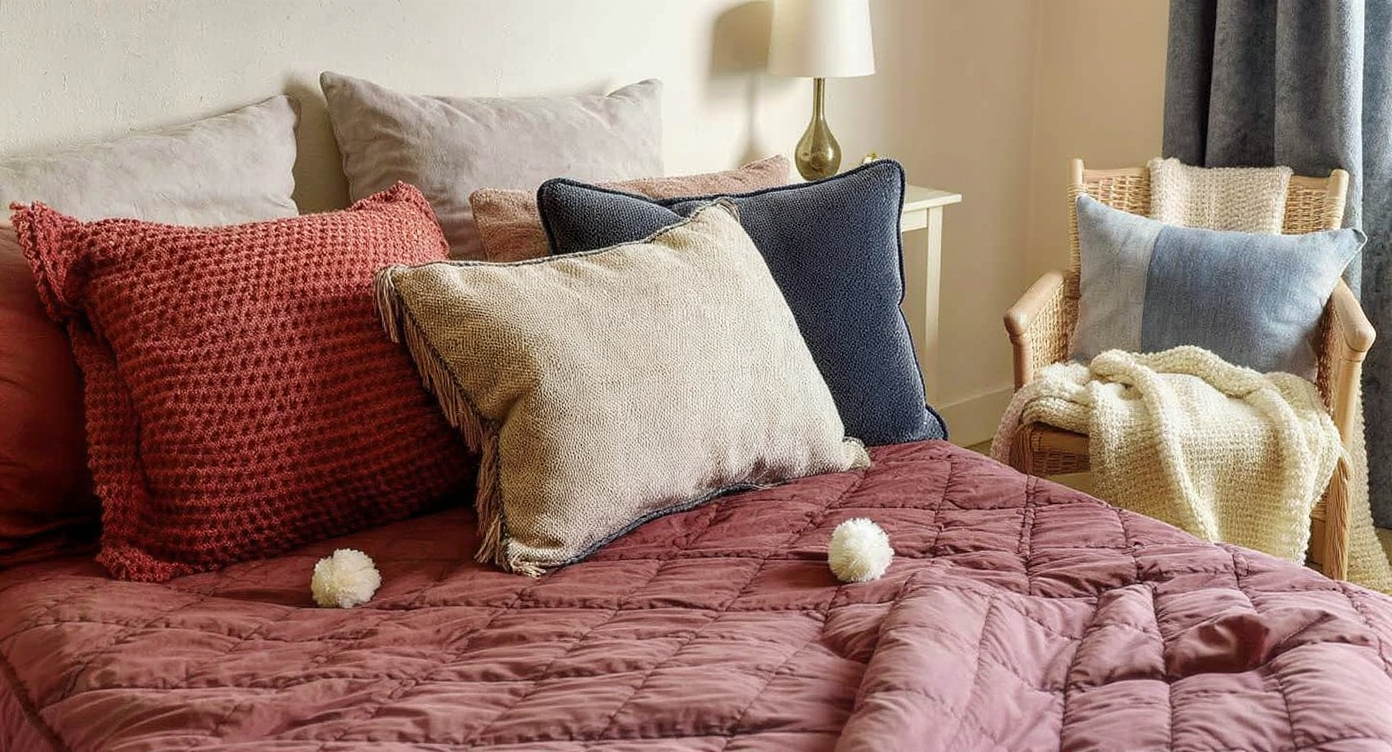
Incorporate personal touches with textiles to enhance depth and comfort in your bedroom.
Introduce layers through textiles to increase depth and comfort. Using a mixture of textures like velvet pillows or a chunky knit throw can add warmth and personality. Prioritize quality bedding materials, including crisp cotton sheets and a plush duvet, to enhance coziness. According to trends in personalized bedroom decor, infusing textile variety showcases personal style while serving practicality, particularly in climates where temperature fluctuates.
-
07. Balance Functional Furniture Pieces
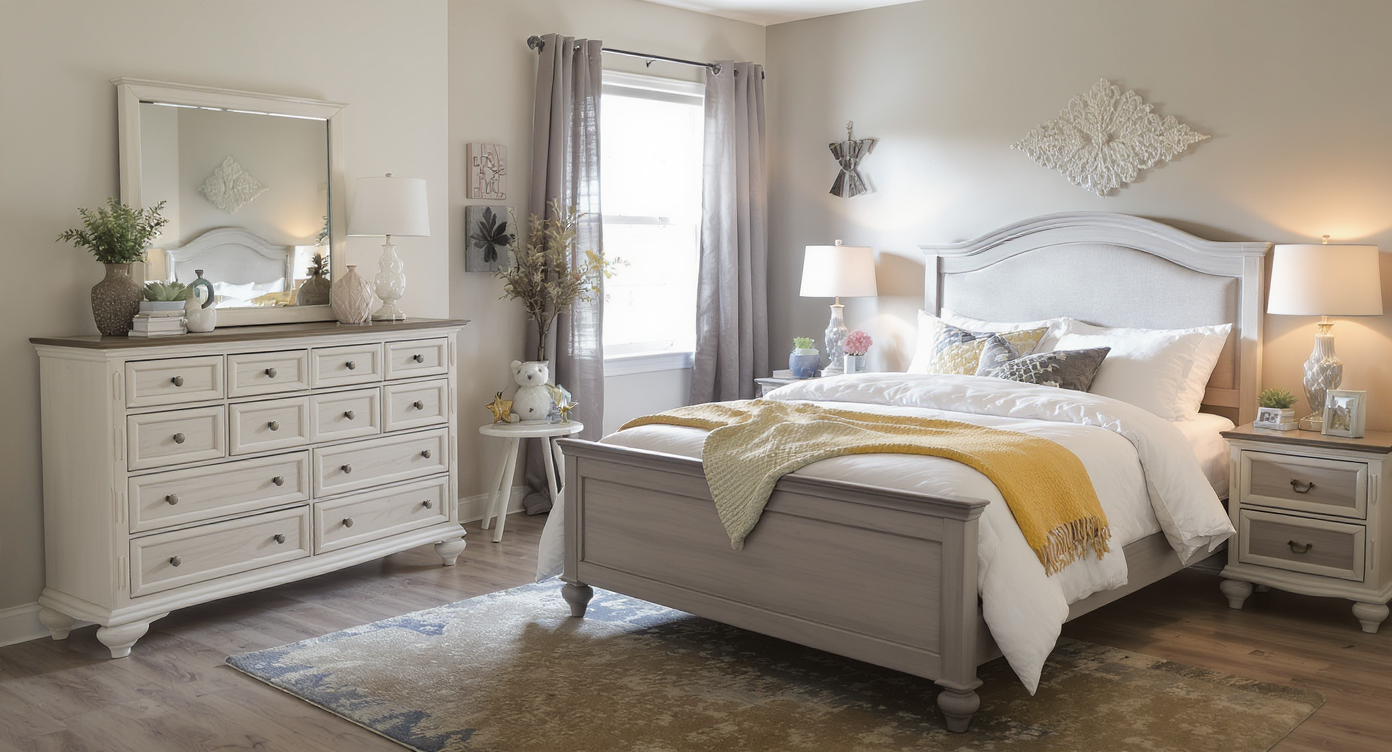
Balance functional furniture to enhance both style and usability in your bedroom.
Furniture should both serve a purpose and enhance the room's style. Larger, bulkier furniture can make a space feel cramped; instead, prioritize flexibility and scale. This might mean swapping an oversized dresser for a pair of sleek nightstands, as discussed in our furniture selection for small spaces guide. The right furniture helps maintain open walkways and provides adequate storage without overwhelming the room layout.
Visualization Scenario
Imagine waking up in your revamped bedroom. Soft morning light filters through sheer curtains, reflecting off carefully placed art pieces. As you swing your legs over the side of your bed, your feet hit the plush rug perfectly aligned beneath. Each element of your room complements the next, creating a sanctuary of calm and personal style.
Frequently Asked Questions
- How do I choose the right rug size for my bedroom?
An 8x10 rug is generally suitable for a queen-sized bed, covering the area from nightstand to underfoot. For more details on optimal rug placement, see our guide on rug size recommendations. - What type of lighting is best for creating a warm atmosphere?
Using a combination of lighting types like floor lamps, bedside lamps, and wall sconces with warm bulbs (2700K) is optimal. Learn more about lighting strategies in our post on design fixes for dated homes. - Should window treatments be uniform across rooms?
While not necessary, uniformity in style—like similar color or material—provides a cohesive look. Check out options in our bedroom staging guide for more insights.
Conclusion
By incorporating these design guidelines, you're set to transform an ordinary bedroom into a strategically balanced sanctuary that fosters relaxation and personal expression. Through thoughtful curation—from rug placement to cohesive color schemes—each element works in harmony to create a space that is not only stylish but also deeply personal. Revisit and adapt these tips over time as your needs and tastes evolve, ensuring your bedroom remains a tranquil retreat.