9 Stepwise Rules for Achieving an Earthy-Toned Living Room in Your First Home
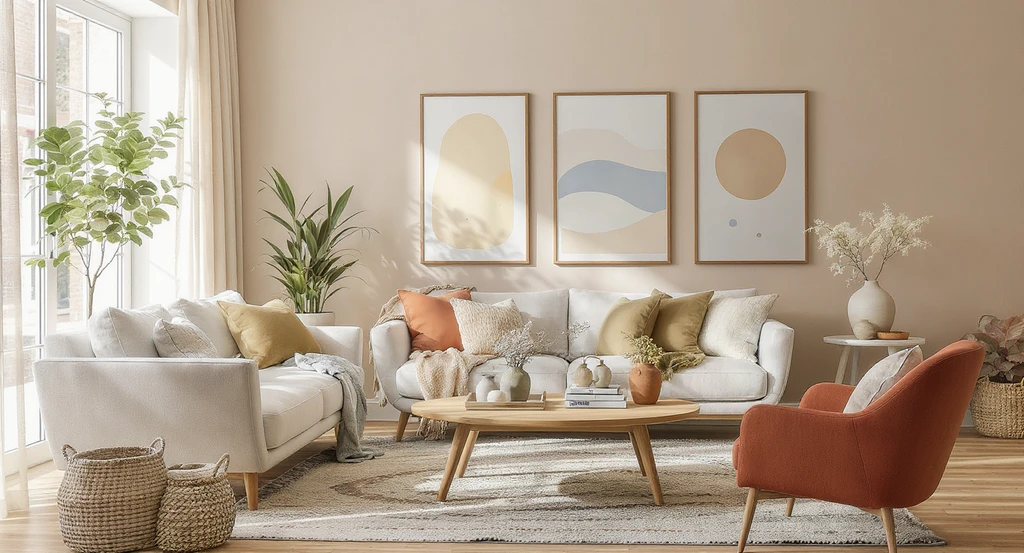
TL;DR
Achieving an earthy-toned living room means layering color, texture, and natural materials through strategic changes, not just wholesale swaps. Start with paint, rugs, textiles, and greenery, using the 'Earth Layer Method' to structure your decisions for warmth and authenticity. Avoid common mistakes such as relying solely on color or overspending on major renovations.
Introduction: From Blank Beige to Lived-In Warmth
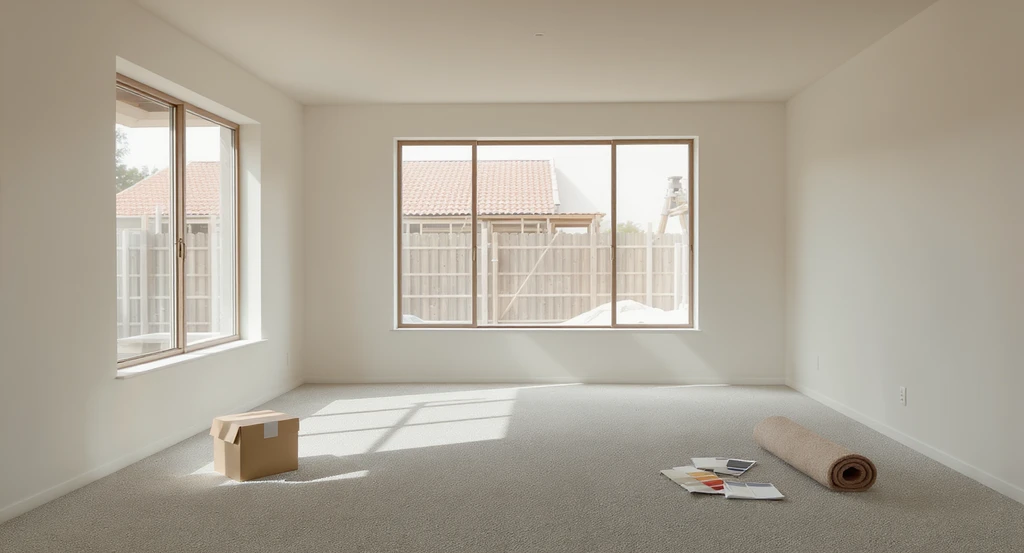
Starting from scratch, this empty living room exemplifies a blank canvas for ai home design for earthy living rooms, showcasing how a virtual room makeover with earthy tones and the best ai tools for natural interior design can create an inviting, grounded space.
Moving into your first home often comes with a “blank canvas” feeling—rooms that feel too beige, too cool, or simply unfinished. But creating an earthy-toned living room isn’t just about choosing a different paint color or buying a new set of pillows. It requires coordinating light, scale, texture, and material so the room feels both grounded and alive. This guide introduces the REimagineHome 'Earth Layer Method': a practical framework for transforming a generic space into a true extension of the outdoors, with steps that build on one another for actionable, visual clarity.
-
1. Apply the Earth Layer Method: Build Warmth Through Staged Interventions
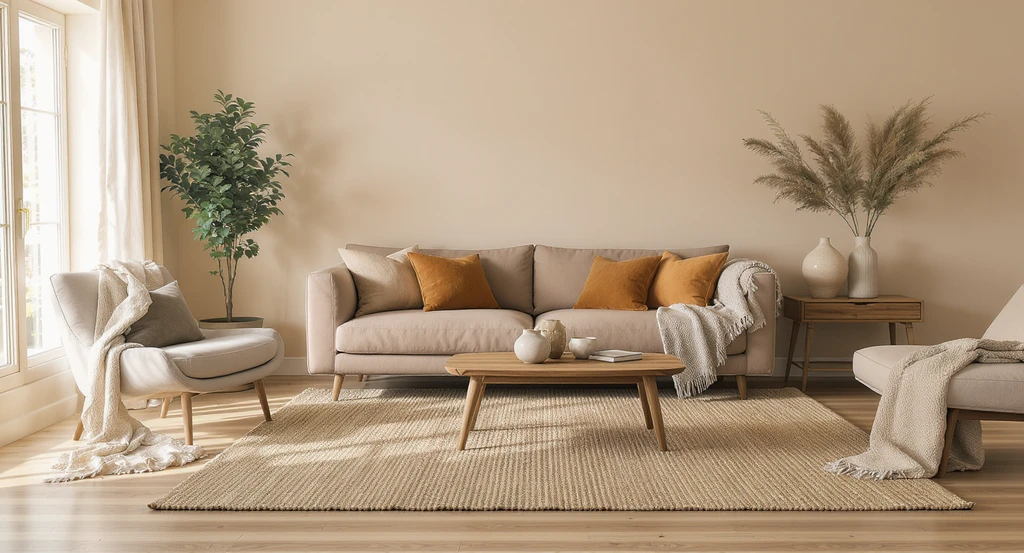
Discover how to visualize earth tone decor with AI tools: This living room uses the Earth Layer Method, applying wall color, flooring, natural textures, and accessories for a virtual room makeover in earthy tones.
The Earth Layer Method anchors design decisions in a hierarchy: first define the underlying palette (walls, floors), then introduce grounding elements (rugs, large furniture), followed by natural textures and tactile accents. This approach prevents mismatched efforts: for example, painting walls warm beige before adding cool-toned furniture leads to visual tension. Starting from the largest visible elements and layering downward mirrors how natural landscapes accrue warmth and depth. Consistent, tiered changes feel intentional and coherent—a core concept missing from many surface-level advice columns. If you’re unsure where to begin, start with wall paint and floor covering, then build up to textiles and accessories.
Expert Insight
When I decorated my own first living room, I rushed to buy new curtains and pillows without considering how lighting transformed the colors at dusk. The green I loved by day looked almost gray at night. Using the layered, staged approach would have saved me both money and disappointment—a lesson I now recommend to first-time homeowners.
-
2. Choose the Right Earthy Palette: Harmonize Warm and Cool
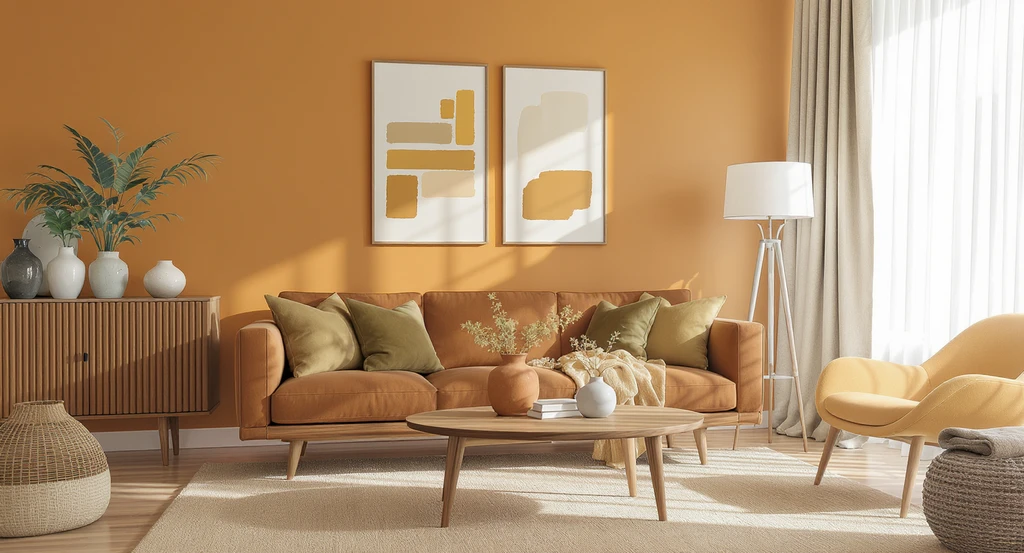
Explore ai home design for earthy living rooms: see how virtual room makeover earthy tones and ai-generated living room color palette ideas help balance warm ochre, chestnut, olive, sage, and stone hues for a harmonious, natural interior.
Selecting an earth-inspired palette means more than picking beige or green; it requires blending undertones that echo nature’s complexity. Warm earth tones—like ochres, clay, chestnut, and olive—should anchor the walls and key furnishings, while cooler accents (sage, deep green, stone gray) provide depth. Avoid combining sharply cool grays with warm neutrals, as this creates an unsettled feeling, especially under shifting daylight. Always sample paints at different times of day since natural and artificial lighting can dramatically shift perception, as emphasized in comments and as we detailed in our guide for first-time homeowners.
-
3. Anchor with Size-Appropriate Rugs: The Foundation Rule

Anchoring the living area with a well-sized, earth-toned jute and wool rug demonstrates how ai home design for earthy living rooms and virtual room makeover earthy tones can enhance flow, warmth, and balance.
An appropriately sized area rug acts as a grounding layer, visually anchoring a large or echo-prone living room. The foundation rule holds: the rug should extend under the front legs of all major seating and stretch far enough to define the conversation area. A too-small rug shrinks the visual field and disrupts room flow. Earth-toned options in jute, wool, or low-pile patterns add both texture and warmth, setting the stage for layered decor and preventing a room from feeling cavernous. This principle is reinforced by both professional and community advice as a top priority before pursuing more costly changes.
-
4. Integrate Greenery and Natural Materials: The Texture-Contrast Principle
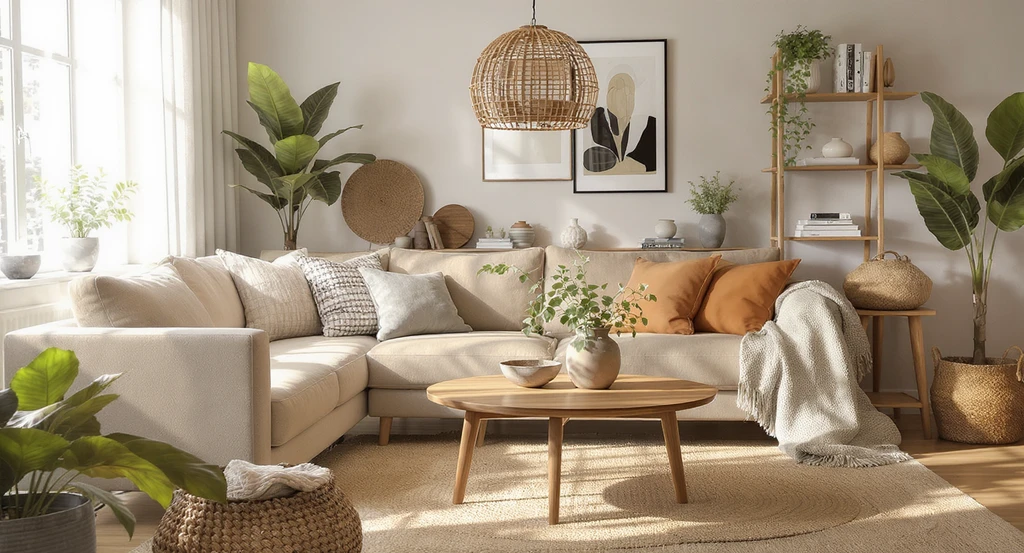
Discover how to visualize earth tone decor with ai-generated living room color palette ideas. This space uses natural materials and greenery for a virtual room makeover earthy tones, highlighting the Texture-Contrast Principle in ai home design for earthy living rooms.
Bring organic vibrancy with live plants, woven baskets, clay planters, or rattan accents. The Texture-Contrast Principle states: every visual zone should contain at least one textural element reminiscent of the outdoors. Greenery fills visual gaps, softens rigid lines, and reinforces the earthy atmosphere on both sensory and psychological levels. Natural materials—such as wood or leather—counteract synthetic finishes, making the room feel more permanent and lived-in. Plants selected in both upright and cascading forms create a more biodiverse, landscape-inspired effect.
-
5. Layer Lighting for Evening Warmth
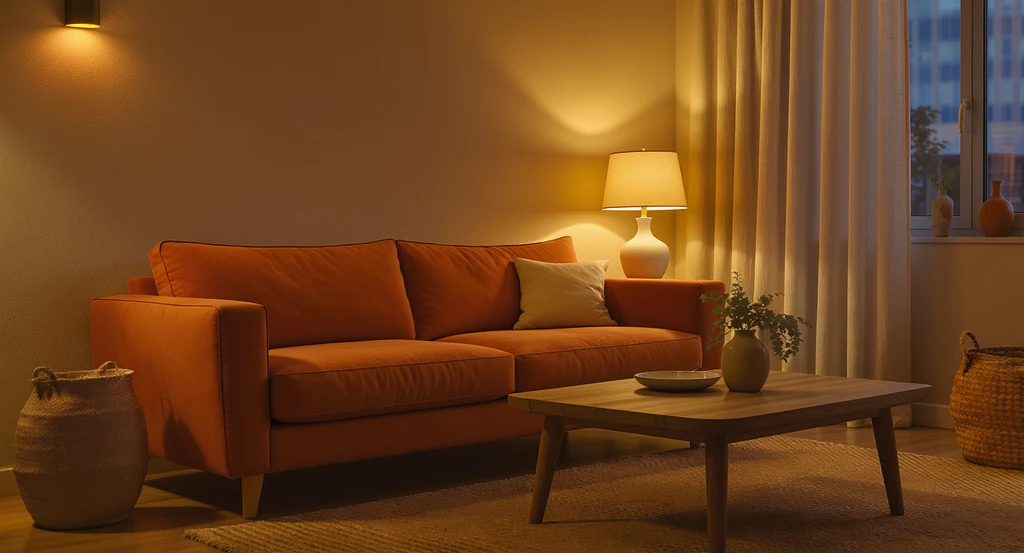
5. Layer Lighting for Evening Warmth Image
Layered lighting prevents an earthy room from becoming dull or shadowy, especially after sunset. Blend three types: overhead (ambient), localized task (table or floor lamps), and accent lighting (wall sconces, picture lights). Use warm-temperature bulbs (2700K–3000K) to enhance earth tones and avoid the cold, blue cast of higher Kelvin lights. Well-placed lighting increases comfort, creates visual focal points, and helps small accessories stand out, according to our exploration of making a living room feel cohesive.
-
6. Textiles as Earthy Bridges: Throws, Pillows, Curtains

6. Textiles as Earthy Bridges: Throws, Pillows, Curtains Image
Strategic layers of textile—wool throws, linen curtains, pillows in ochre, olive, and rust—act as color bridges, linking the larger palette to smaller scale accents. For cohesion, echo at least two tones from the rug or walls within your textiles. Use subtle variation in fabric texture to add tactile warmth without overwhelming visual simplicity, as we compared in our exploration of warm minimalism. Mismatched or random accent colors are a primary source of regret for new homeowners; intentional repetition builds confidence and harmony.
-
7. Select Earth-Reflective Artwork and Decor Objects
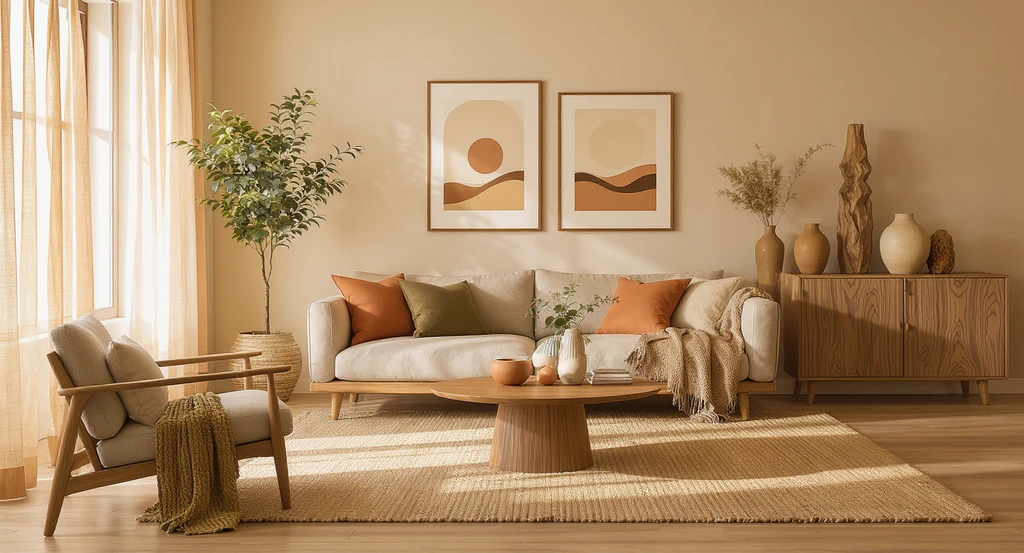
7. Select Earth-Reflective Artwork and Decor Objects Image
Include artwork or sculptural pieces that reflect natural scenes, landscapes, or abstract organic forms. The art should extend the palette, not disrupt it, and should resonate with the shapes and tones found elsewhere in the room. Display art at eye level, grouping pieces with similar undertones to prevent fragmentation. Mixed-media objects (ceramic, stone, wood) reinforce an earthy narrative—the principle of palette echo ensures that even small touches contribute to the overall sense of warmth and stability.
-
8. Edit, Don’t Overhaul: The 30% Replacement Principle
When making your first home feel earthy, resist the temptation to discard everything at once. The 30% Replacement Principle states: change no more than a third of visible items in a single pass. This method limits costly mistakes, gives time to adapt, and ensures layered decisions naturally build atmosphere. Start by replacing “loud” or cool-toned elements (such as metallic accessories or stark white pillows), then reevaluate before considering costly renovations like new flooring. As highlighted in the trend report on lived-in warmth, it’s the accumulation of small, smart changes that creates deep comfort not instant overhauls.
-
9. Visualize Before You Commit: Reduce Regret with AI Tools

Previewing ai-generated living room color palette ideas on a tablet helps first-time buyers confidently plan a virtual room makeover in earthy tones using the best ai tools for natural interior design.
Use visualization platforms like ReimagineHome to mock up various earth-tone palettes, furniture arrangements, and textile choices before making purchases. Digital previews allow you to experiment safely reducing decision paralysis and the risk of expensive errors. This not only supports personal confidence but also ensures that nuanced shifts in light, proportion, and color harmony translate as expected in your actual space. The ability to "see it before you decide" is especially crucial for first-time homeowners facing the uncertainty of major design moves.
Visualization Scenario
Imagine uploading a photo of your current living room to an AI platform and testing warmth levels in the paint, switching rug patterns, and previewing the addition of large potted plants. Within moments, you see three distinct earthy palettes and how natural light influences each throughout the day—giving you tangible confidence before purchase.
FAQ: Earthy Living Room Decisions, Answered
Pick a warm neutral (like clay, taupe, or olive) by sampling swatches on multiple walls and observing them in both daylight and evening lamp light.
What materials best express an earthy mood?
Natural fibers such as jute, linen, wool, rattan, and solid wood lend texture and authenticity, capturing the sensory feel of an outdoor landscape.
Do I need to replace all my furniture for an earthy look?
No; begin with textiles and accessories, changing no more than 30% of visible items to avoid regret and overspending while layering the theme intentionally.
Which plants work best in earthy living rooms?
Choose a variety: upright species (like fiddle-leaf fig), leafy trailers (such as pothos), and low-maintenance options (like snake plant) for dynamic greenery.
How can AI help with my earthy living room makeover?
AI platforms enable you to visualize color, scale, and furniture arrangement in your real space before committing, helping you avoid costly mistakes and boosting decision confidence.
Conclusion: Earthy Tone is a Layered Process, Not a Quick Fix
An earthy-toned living room materializes through structured, sequential changes—starting with foundational palette choices and building toward details in texture, lighting, and decor. By using the Earth Layer Method and resisting the urge for rapid, wholesale transformation, you’ll build a space that feels warm, coherent, and truly personal. Visualization with platforms like ReimagineHome can give you peace of mind before committing to big changes, letting your style evolve naturally over time.