7 Insights for Designing a Minimal Bedroom That Feels Thoughtful and Serene
TL;DR
A minimal bedroom relies on clarity, quality, and clever layering. With focused choices in lighting, furniture, and layout, you can achieve both peace and personality while sidestepping the sterile look. These seven ideas distill what professional designers and discerning homeowners do to get minimalism right.
Why the Minimal Bedroom Matters
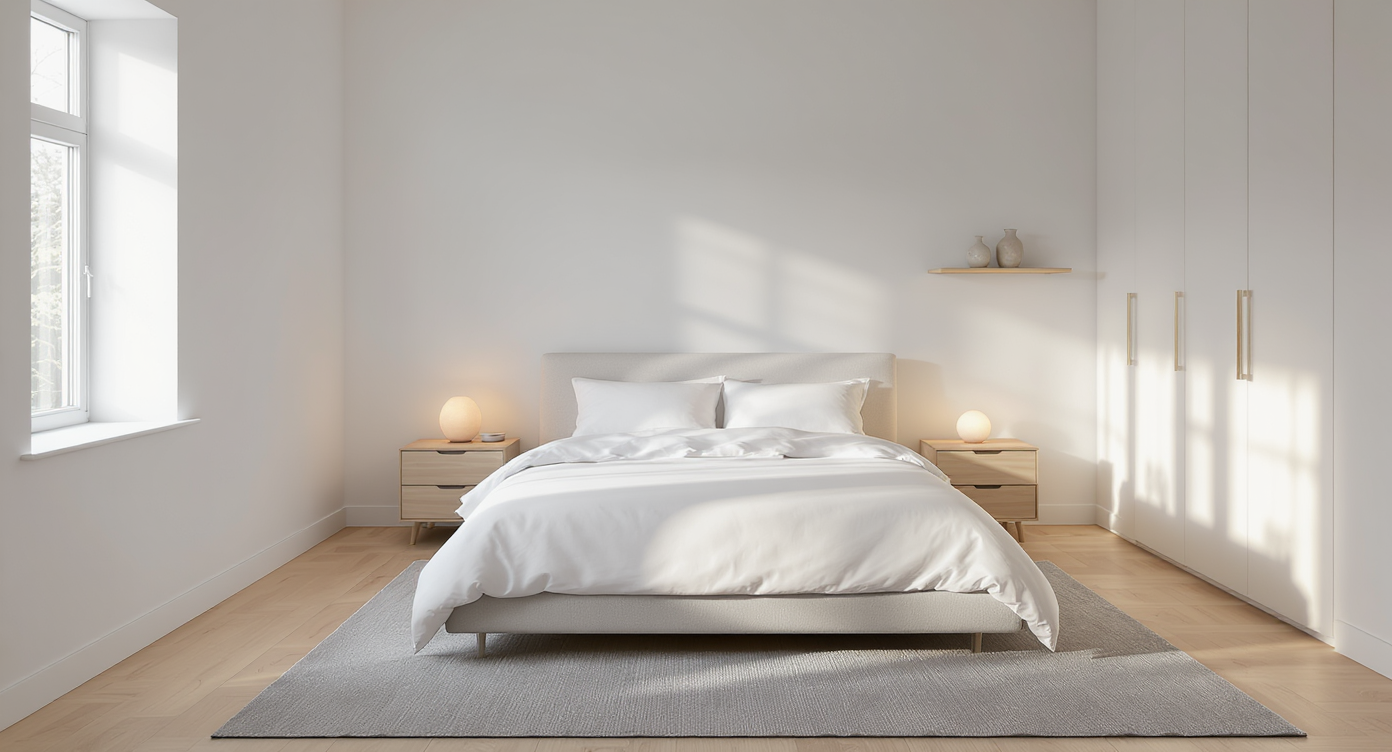
A thoughtfully arranged minimalist bedroom with intentional lighting, natural materials, and curated furnishings for a calming, serene atmosphere.
The minimal bedroom concept appeals because it promises a calming, clutter-free retreat from daily noise. In practice, achieving true serenity in a minimal space requires more than simply owning less. Design professionals recognize that thoughtful restraint, deliberate lighting solutions, and exacting attention to furniture selection all contribute to a room that feels complete but never crowded. This list breaks down practical, often-overlooked strategies that define the most successful minimal, modern, and luxury bedroom setups. Whether you favor classic minimalism, boho influences, or require modern elegance, these insights will help you avoid common pitfalls and create a relaxing environment that feels as inviting as it is functional.
-
1. Curate with Intention, Not Just Reduction
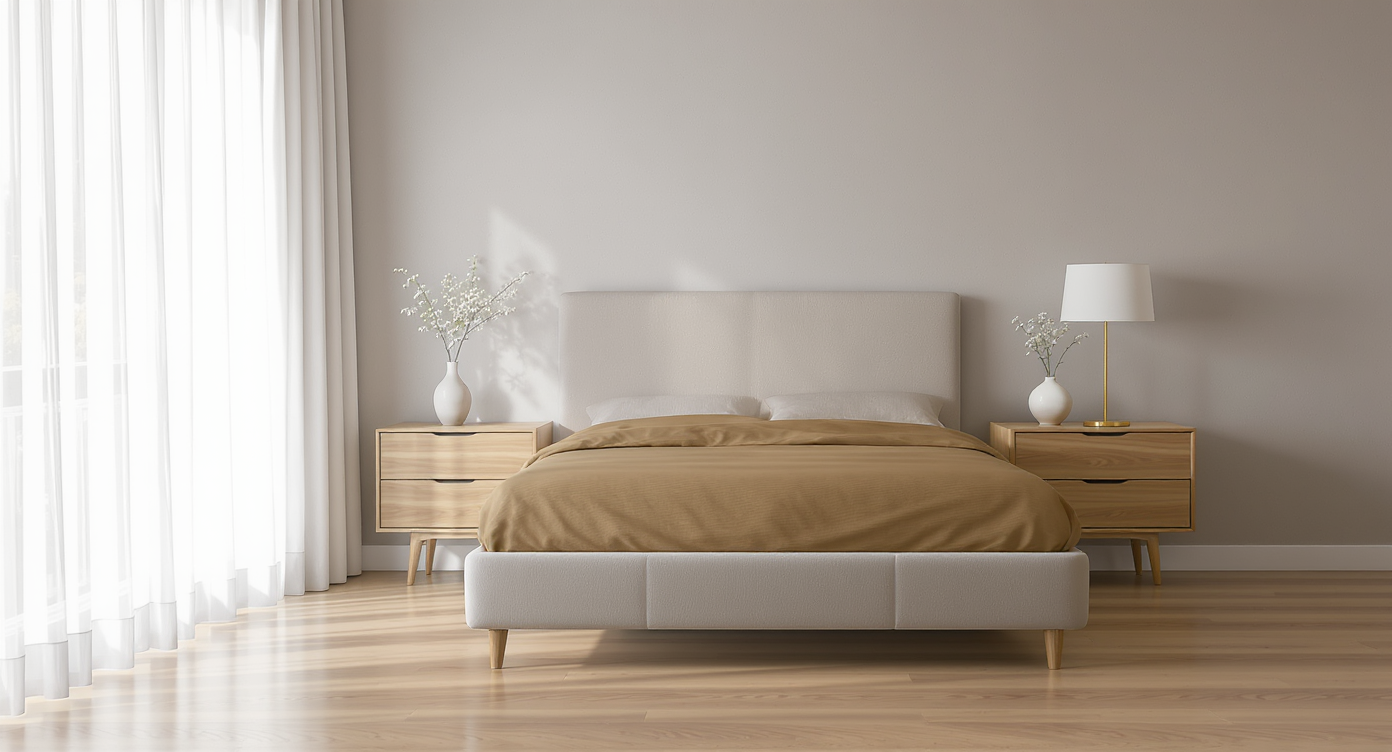
A minimalist bedroom with only an upholstered headboard and streamlined dresser, illustrating intentional curation over simple reduction.
Minimalist design is about more than removing items, it is an act of focused editing. Designers often suggest starting by evaluating every piece in your bedroom, asking whether it contributes to comfort or utility. For example, a pared-back approach might retain only a standout headboard and a streamlined dresser, both sharing consistent lines or material. This goes beyond superficial decluttering and encourages investment in a few well-crafted items that visually anchor the space and serve daily needs. As explored in our approach to how to make a minimalist living room warm and alive, the right pieces can add depth without excess.
-
2. Select Bedroom Furniture for Modularity and Compactness
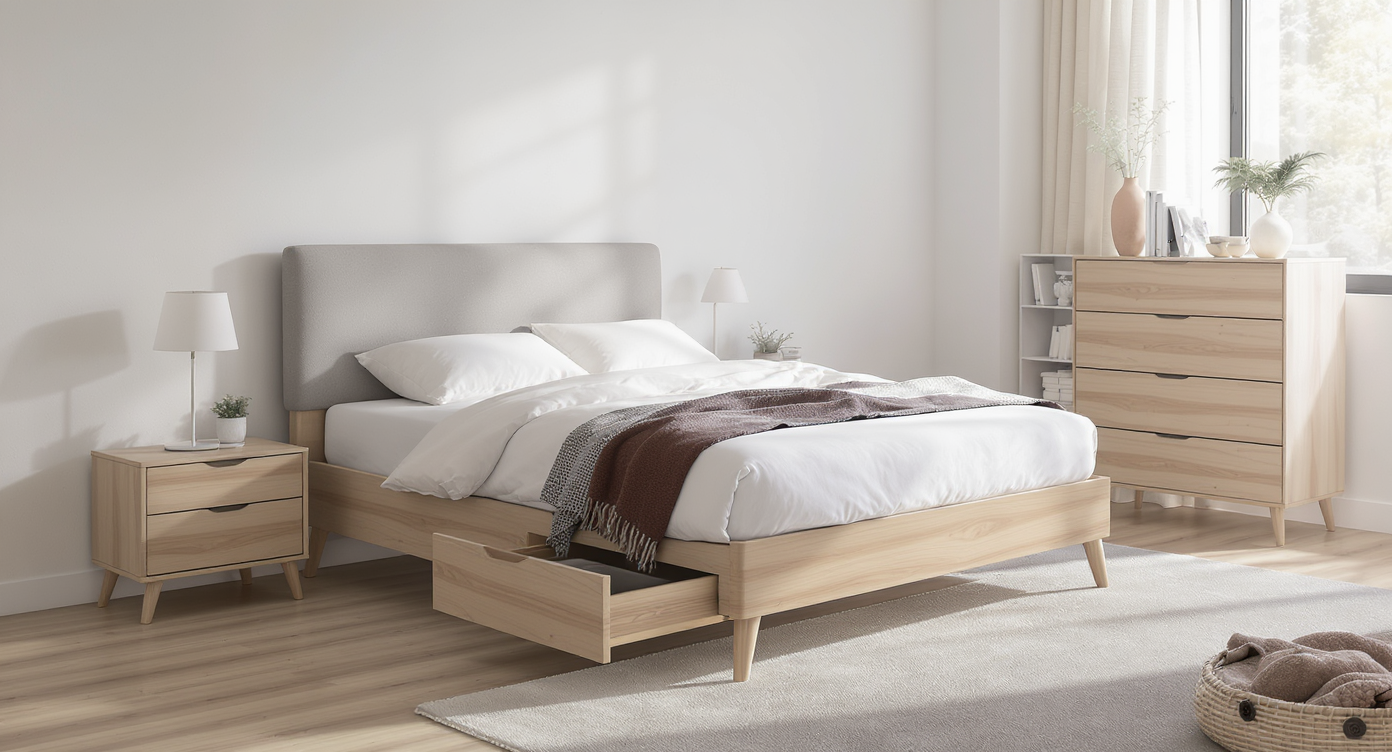
Minimalist bedroom with a compact bed featuring integrated nightstands and storage, paired with a modular, rearrangeable dresser unit.
The most effective minimal bedrooms use furniture that offers more than meets the eye. Beds with integrated headboards and side tables, modular dressers, and pieces that incorporate concealed storage all help the room feel spacious and composed. For example, a bed frame with built-in nightstands eliminates the need for extra pieces, aids cable management, and maintains a tidy look. Modular designs also enable rearrangement as needs change, essential for those seeking a flexible, modern or boho feel.
-
3. Make Lighting an Experience, Not Just a Utility
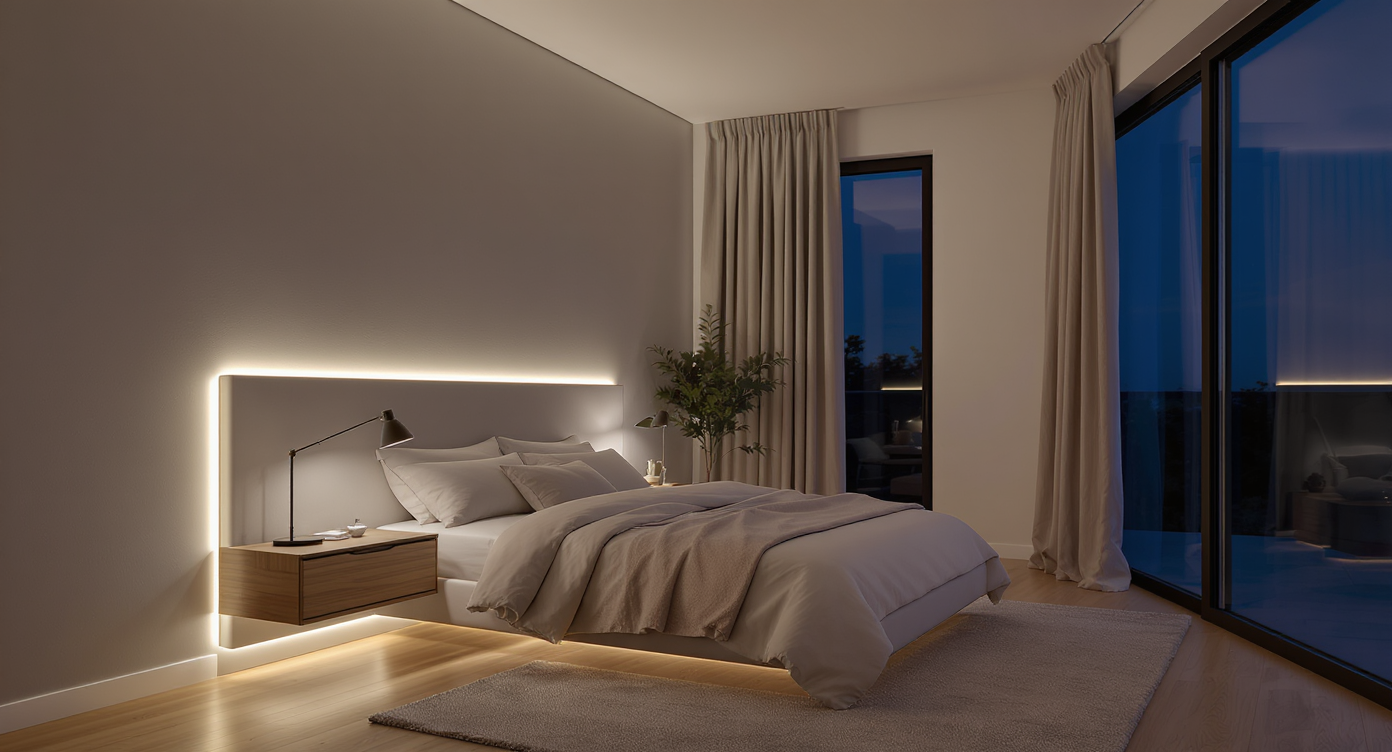
Minimal bedroom illuminated by ambient LED strips and sleek adjustable wall lamps, creating layered, warm lighting for a tranquil atmosphere.
Lighting serves as both the function and atmosphere of a minimal bedroom. Subtle LED strips tucked behind headboards or under dressers can provide ambient layers without overwhelming the room visually. Directional lamps or integrated wall lights create interest and allow for custom moods. Modern lighting systems include adjustable warmth and even color-changing features for those who want to shift the mood in a minimalist setting. As suggested by professional critiques in bedroom decor guides focusing on lighting and scale, the temperature and placement of light determine if the room feels inviting or stark.
-
4. Use Color and Texture with Subtle Confidence
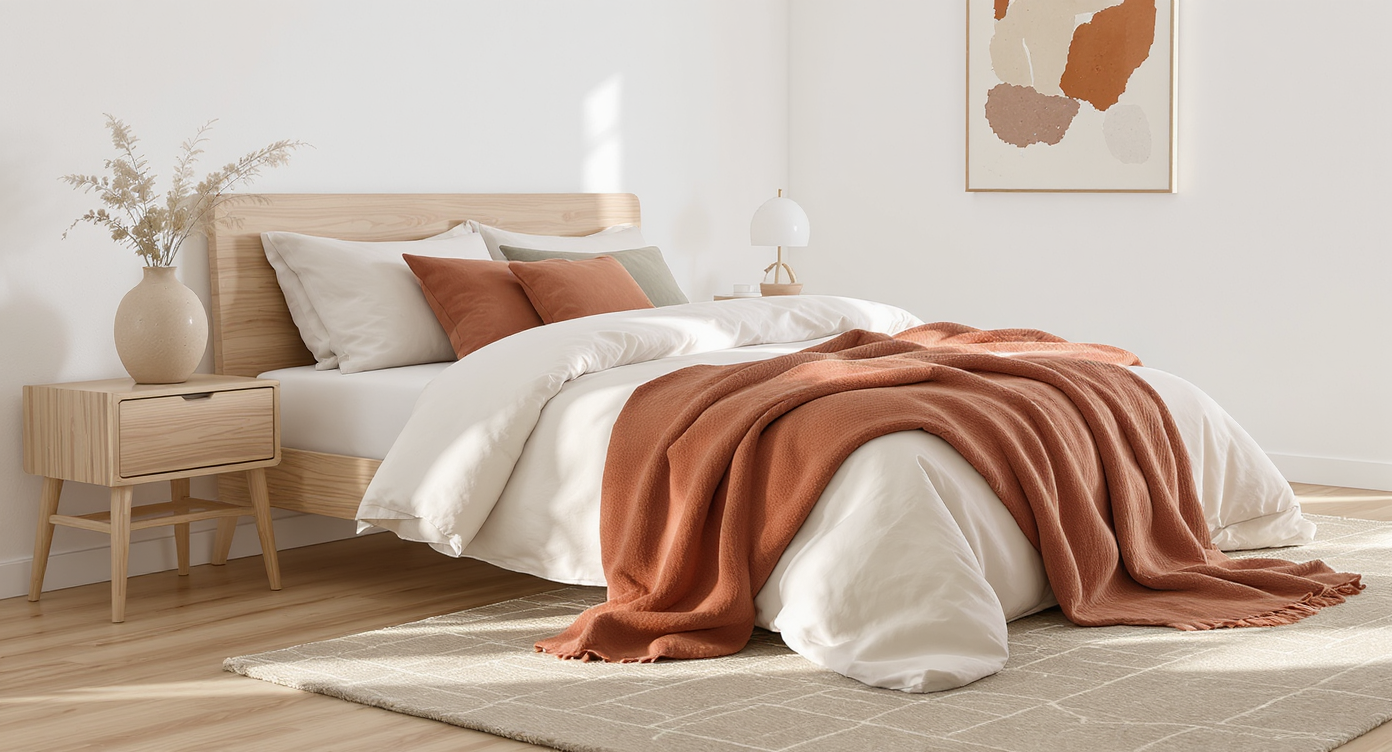
Layered tactile textures, warm earthy tones, and repeating accent colors introduce subtle richness into a minimal bedroom setting.
A minimal palette does not mean monotony. The most engaging minimalist bedrooms use layered textures and hints of warm or earthy color to avoid feeling sterile. Designers might repeat an accent hue, like rust or sage, across blankets, cushions, or a single art piece while using tactile elements such as wool throws or linen bedding. Soft geometric patterns, sculptural textiles, and natural materials all contribute to a refined yet subtle visual richness. Nordic trends in Scandinavian-inspired textiles offer inspiration for achieving this layered minimalism.
-
5. Prioritize Scale and Negative Space
True minimal bedrooms create intentional breathing room. This often means choosing larger-scale furnishings or art in place of multiple small items, which reduces visual clutter and increases perceived calm. For example, a king-size bed with a prominent headboard can fill a wall elegantly, making the room feel cohesive. Leaving space around key pieces also draws attention to the quality and shape of each item, underscoring the minimalist ethos. According to industry best practice, balancing occupied and empty zones in a room is foundational to its tranquility.
-
6. Seek Dual-Purpose Solutions for Compact Rooms
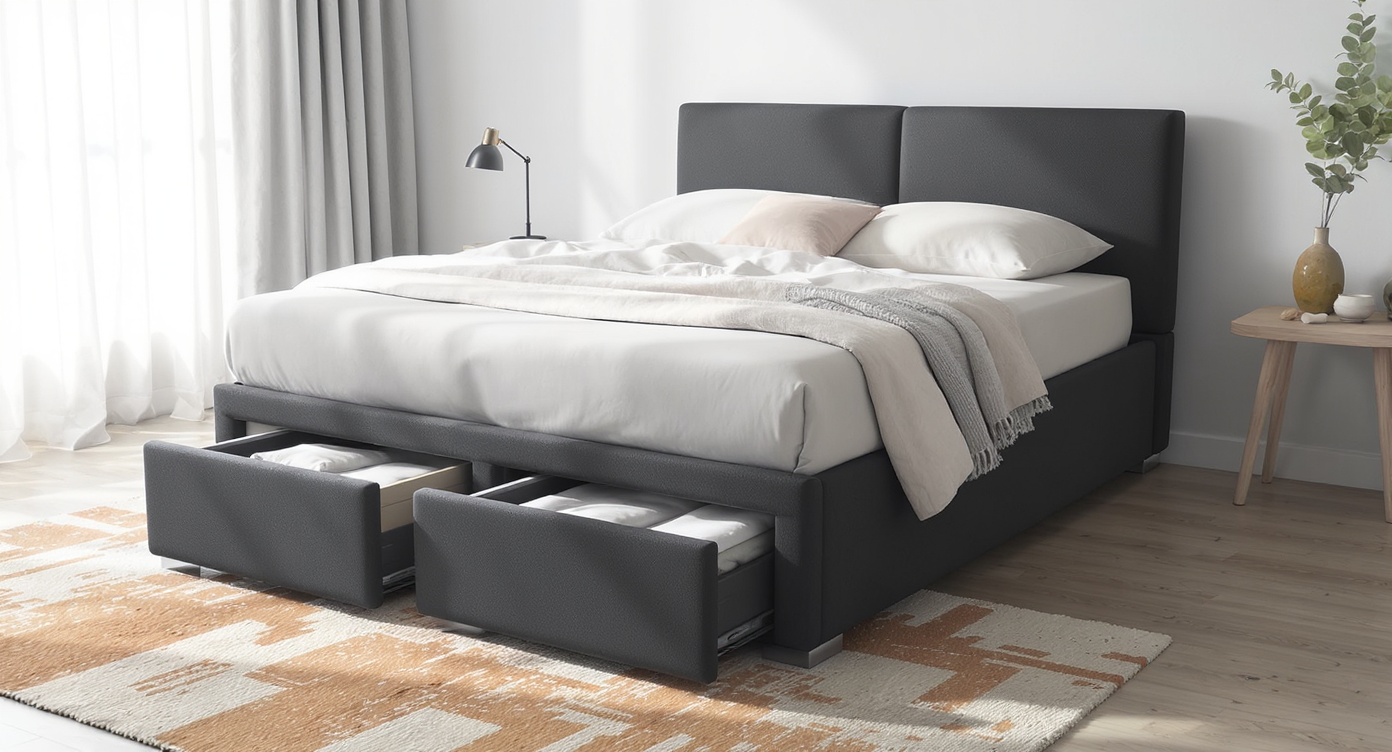
A compact minimalist bedroom maximizes space with underbed storage, wall-mounted shelves, and a collapsible desk for efficient living.
Minimalism’s strongest benefits often emerge in smaller bedrooms, where multifunctional furniture and clever layout give comfort without compromising on style. Beds with underframe storage, wall-hung shelves in place of standard nightstands, and collapsible desks can all support restful modern living. Creative zoning, such as using a headboard to shield the wall or organizing lighting by activity, also saves space and supports a serene sleep environment. Our analysis of ideas redefining comfort in small bedrooms highlights several actionable strategies for maximizing every square foot.
-
7. Test Layouts Before Committing to Changes
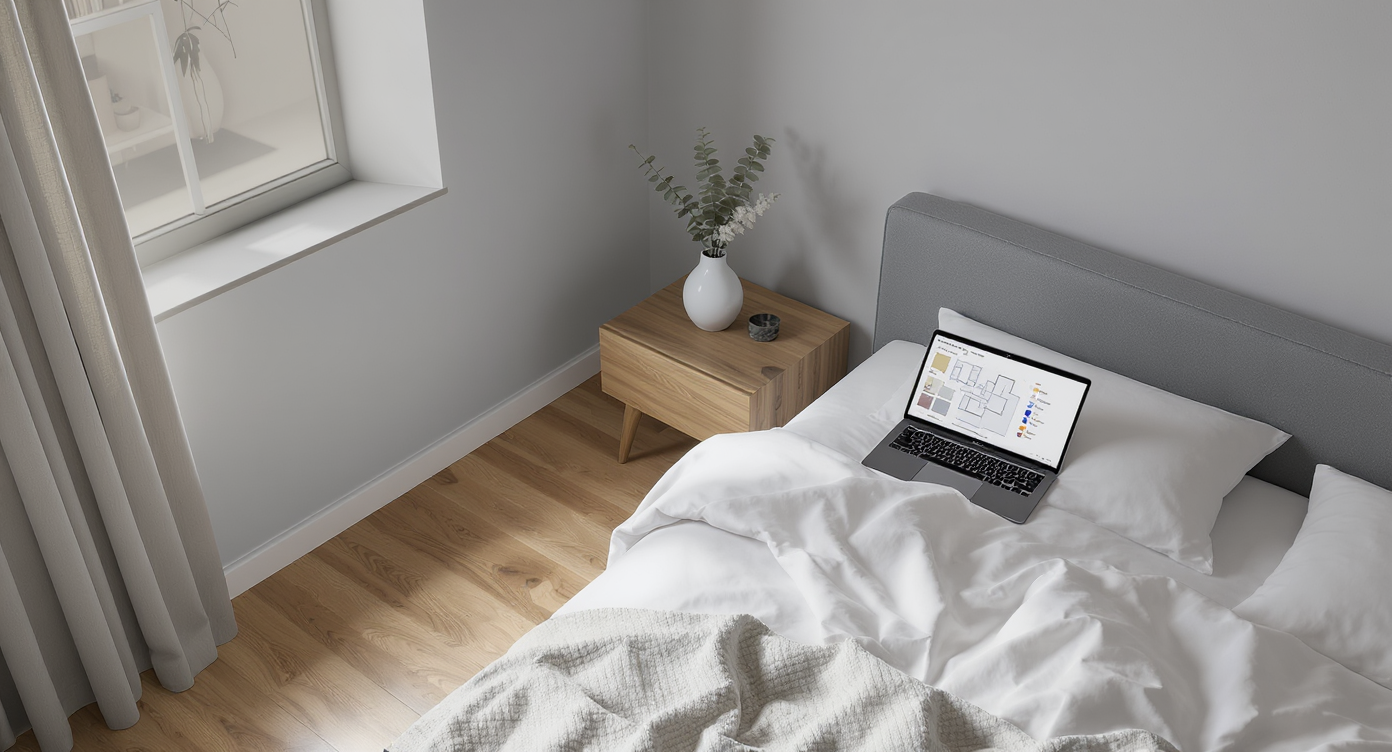
Digital planning tools shown in use on a laptop help visualize bedroom layouts and finishes before committing to changes.
Decisions about furniture proportion, wall color, or minimalistic accessories can feel daunting since every choice is magnified in a simple space. Many interior designers now leverage digital planning tools, such as REimagineHome.ai, to visualize room configurations, test finishes, or assess natural light impact before moving furniture or making purchases. This experimentation phase can save time and reduce costly mistakes, especially if you’re aiming for a modern, luxurious, or even minimalist-boho mix.
Minimal Bedroom Design FAQ
Layer in warming textiles, well-chosen accent colors, and varied light sources. For more on this, see our recommendations in warm bedroom decor strategies.
Are there specific furniture brands that work best for minimalist bedrooms?
Any brand offering clean lines, modularity, and discreet storage works well, but always choose proportion and lasting quality over label.
What kind of lighting works best in a minimalist setting?
Layered lighting with warm bulbs, LED strips, and focused reading lamps creates depth without clutter.
How can technology help with bedroom planning?
Digital tools such as REimagineHome.ai allow for virtual experimenting with layouts, palettes, and lighting options before physical changes are made.
Should small bedrooms still embrace minimalism?
Yes. In fact, compact rooms benefit most from minimal setups. For actionable layout ideas, explore our insights on 2025’s small bedroom strategies.
Minimalism Refined: Achieving Calm and Character
Minimal bedrooms are not about sacrifice, they are about refinement. Through careful selection, layered texture, and an understanding of light and space, even the most restrained rooms can feel warm, comfortable, and individualized. Whether working with a spacious layout or a compact floorplan, modern design tools and a sense of creative discipline can turn minimalism into lasting serenity. Solutions such as REimagineHome.ai add another layer of confidence for homeowners looking to experiment before finalizing their retreats.