Navigating DIY Disasters: Strategies for Fixing Painting Mistakes in Home Renovations

TL;DR
DIY home renovation can be rewarding, but sometimes the results are less than ideal. Understanding how to correct common errors, like overly glossy kitchen cabinets, can turn disappointment into a polished finish. Sanding, applying the right finishes, and possibly seeking professional help can save your project.
Facing Up to DIY Challenges
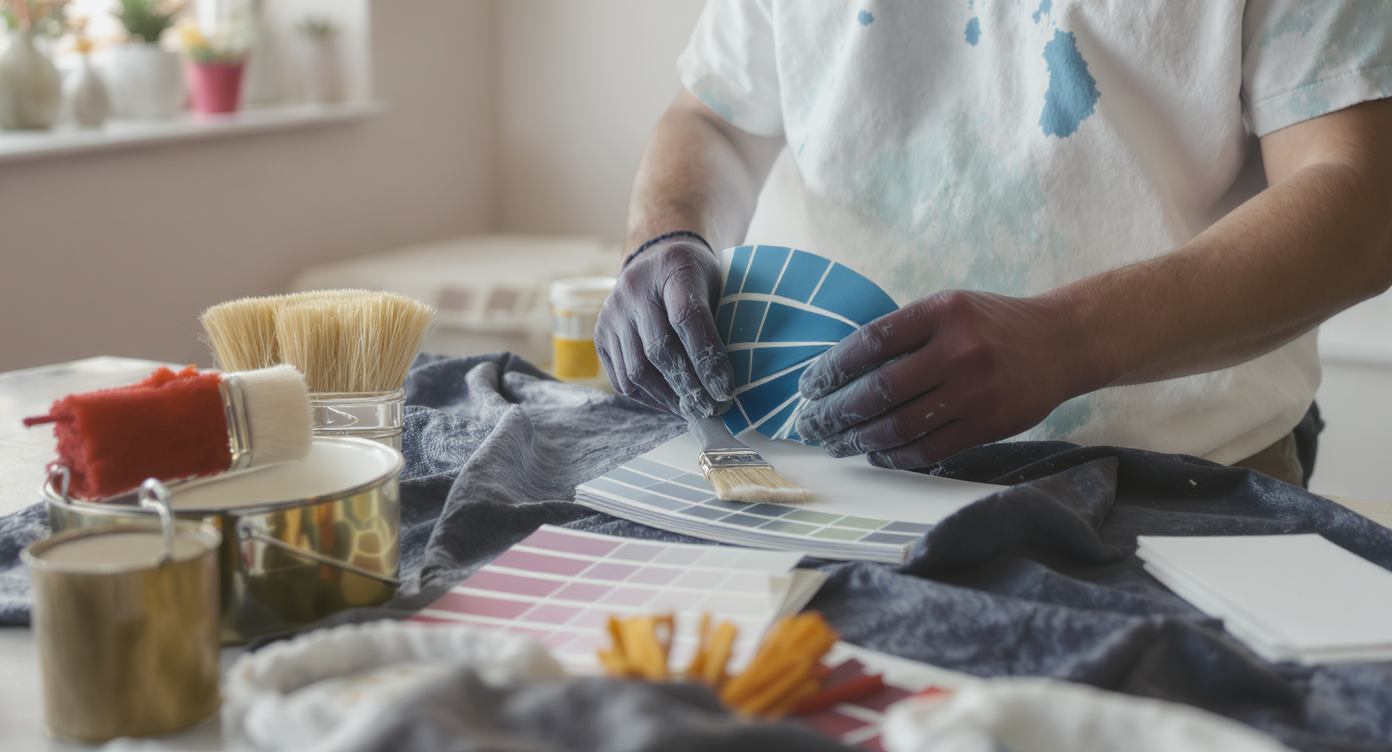
Excitement and preparation play a key role in any DIY home renovation project.
Embarking on a DIY home renovation is a bold move, filled with promise and potential. However, not every project goes smoothly, as many homeowners have experienced. A seemingly simple task, like repainting kitchen cabinets, can quickly turn problematic if meticulous steps are not followed. Imagine your excitement after a fresh coat turns into dismay as a glossy finish disrupts your kitchen's aesthetic. Fortunately, there are effective ways to rectify such painting mishaps without having to start from scratch.
-
Understanding the Importance of Surface Preparation

Proper surface preparation is crucial for achieving a flawless paint finish.
Preparation is key in any painting project. Whether you're tackling kitchen cabinetry or a bathroom refresh, surface prep sets the stage for success. If cabinets appear blotchy or are peeling, the issue often lies with inadequate prep work. As advised in advice from real estate experts, proper cleaning, sanding, and priming are crucial. If overlooked, the final coat may not adhere well, leading to unsightly finishes.
Expert Insight
Recently, a homeowner faced a glossy mishap with their kitchen cabinets after applying a semi-gloss clear coat. Rather than despair, they consulted online forums and learned to lightly sand and apply a satin finish. The result was a warm, inviting kitchen that received compliments from friends and family alike.
-
Choosing the Right Finish for Your Space
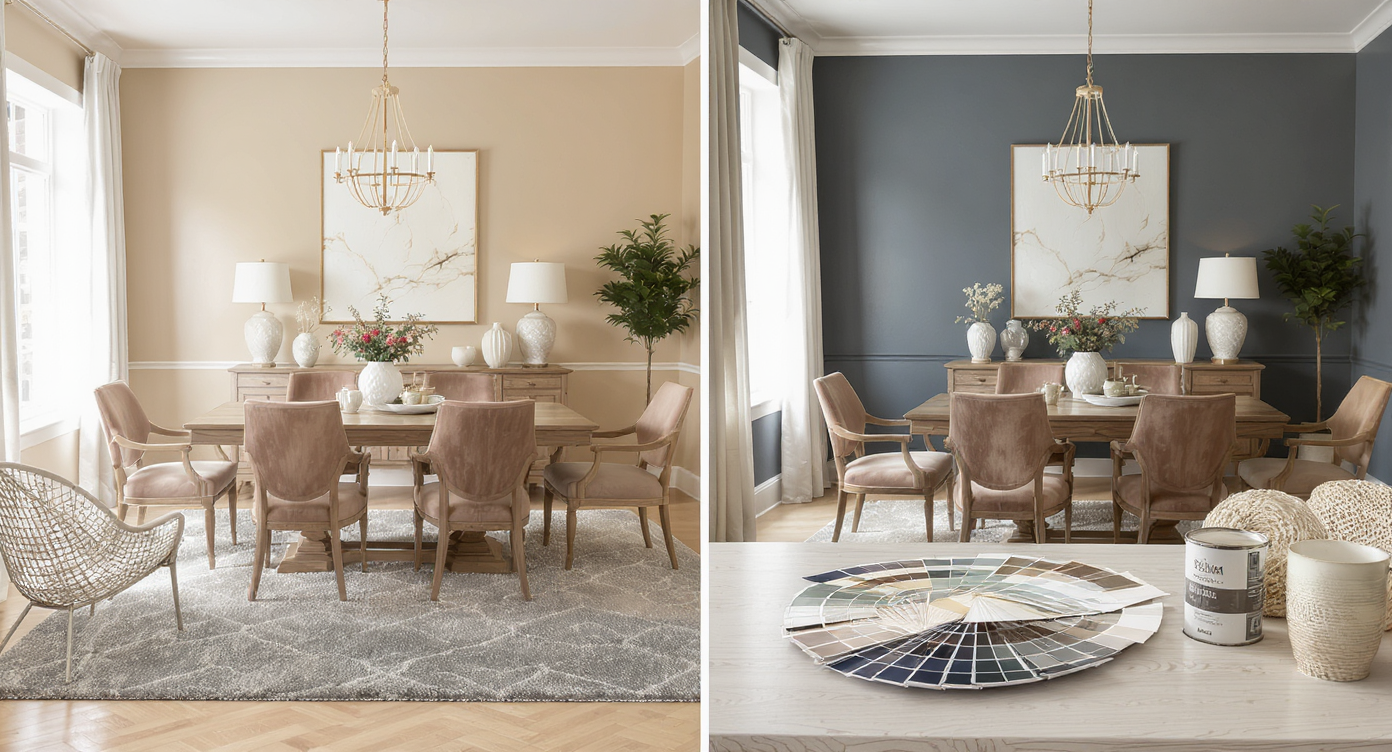
Choosing the right finish can dramatically affect the look and feel of your space.
Selecting the appropriate finish is as important as choosing the right color. Many DIYers mistakenly opt for glossy finishes, thinking they offer durability without realizing they highlight imperfections. For kitchen cabinets, a satin or eggshell finish typically provides a pleasing sheen while hiding flaws. When selecting paint colors and finishes, it’s vital to consider how the light in your space interacts with the surfaces.
-
Corrective Measures for Overly Glossy Surfaces
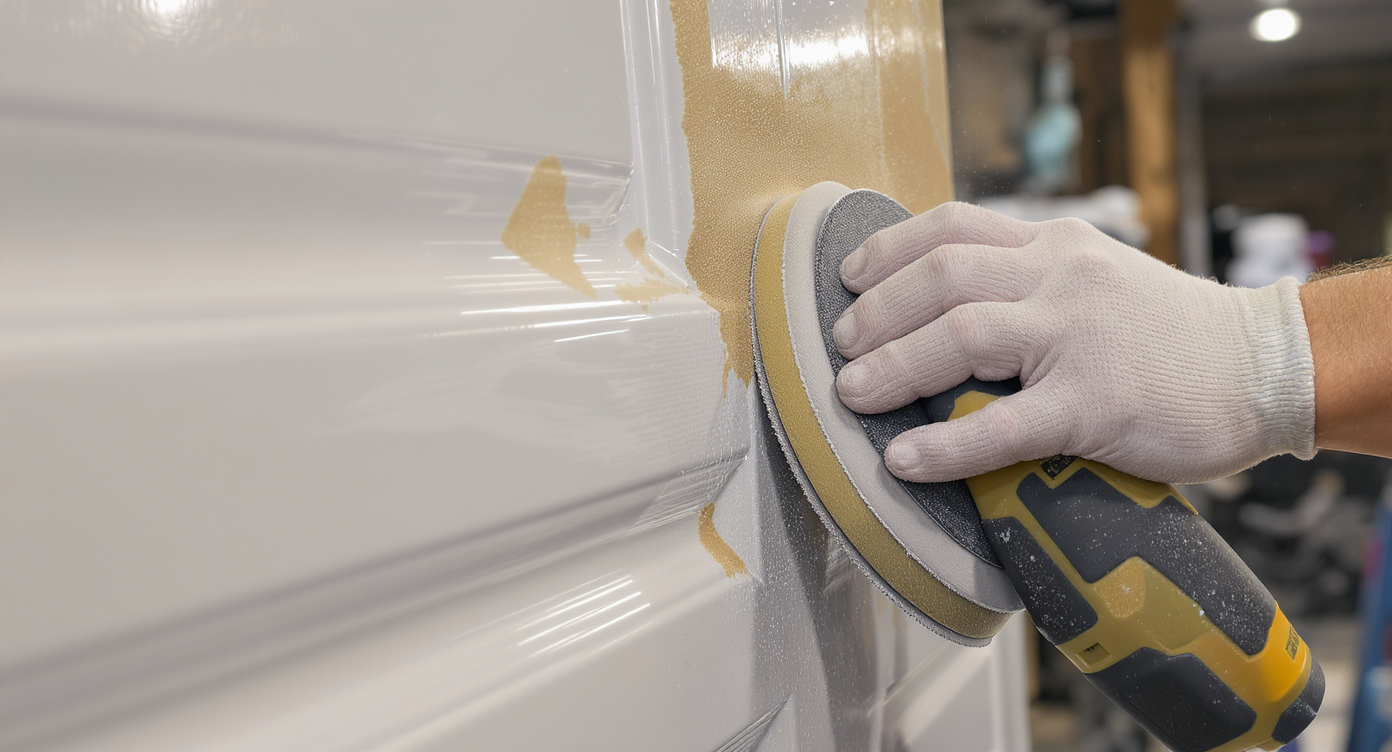
Corrective measures like sanding are essential for fixing overly glossy surfaces.
In instances where a semi-gloss paint was used, and the result is undesirable, sanding followed by the application of a matte or satin coat can dull the shine. A light scuff with fine sandpaper should suffice, creating a more even surface. This process, as outlined in various DIY forums, helps to ensure the new finish bonds correctly, reducing the likelihood of peeling or uneven texture.
-
The Role of Professional Help in DIY Projects
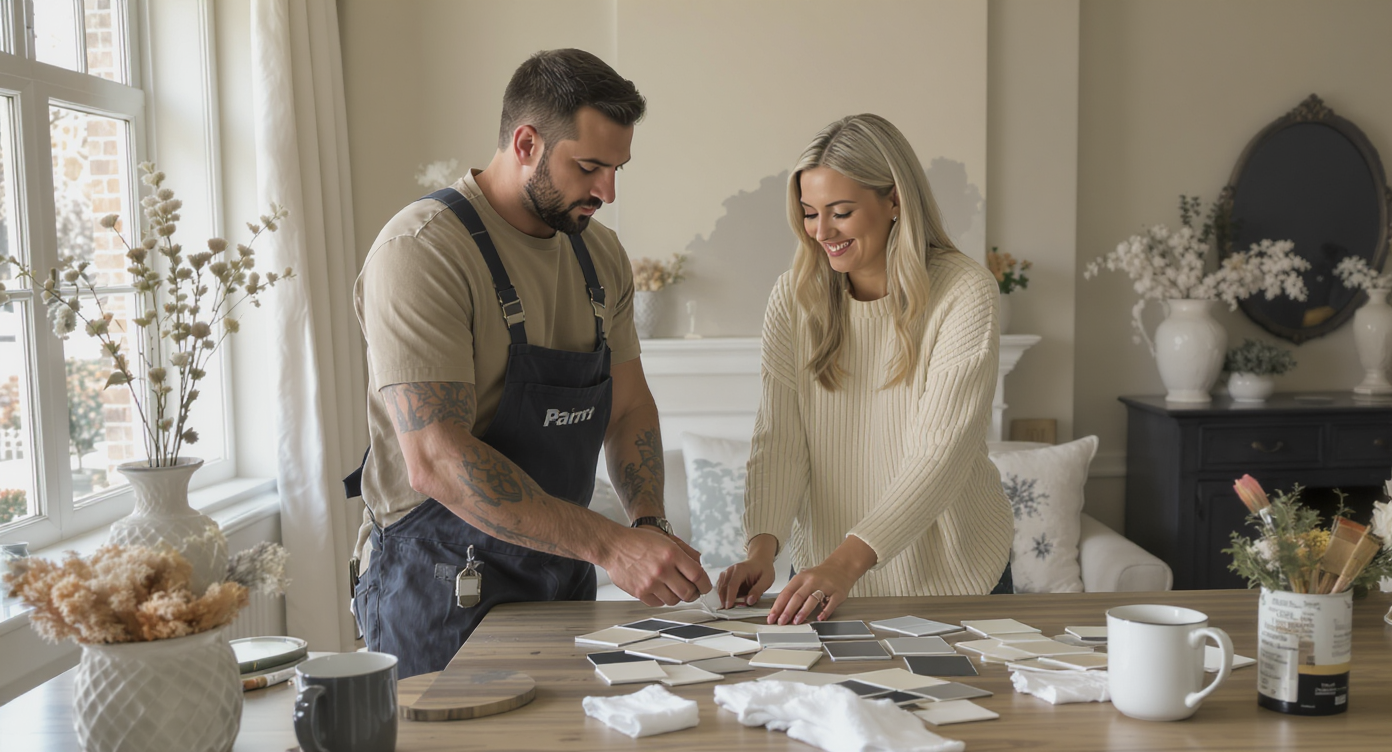
Professional guidance can make a significant difference in DIY projects.
While DIY can save money, knowing when to call in the experts is crucial. According to several industry guides, professionals possess the tools and expertise to deliver a flawless finish, especially on complex jobs like cabinetry. When you find your DIY skills stretched thin, engaging a professional for tasks such as spraying cabinets can prevent costly mistakes and ensure a high-quality outcome.
-
Using Virtual Tools for Planning and Visualization

Utilizing virtual tools can enhance your planning and visualization before painting.
Before committing to a new attempt, consider using digital tools to test paint choices. Platforms like ReimagineHome allow homeowners to visualize potential outcomes, experiment with finishes, and see how different lighting affects them. This foresight can prevent repeat mistakes and help select the best-suited colors and finishes for your living space.
-
Preventing Future Painting Pitfalls

Learning from past painting projects helps prevent future pitfalls in DIY.
Learning from past mistakes is essential in any DIY project. To avoid future disappointments, employ ample testing on a small area, observe the drying process, and ensure all materials, from primers to topcoats, are compatible. This diligence pays off, as seen in 2025's trending home projects, where thoughtful preparation transforms spaces into havens of warmth and style.
-
Seasonal Adjustments: Painting in Varying Temperatures
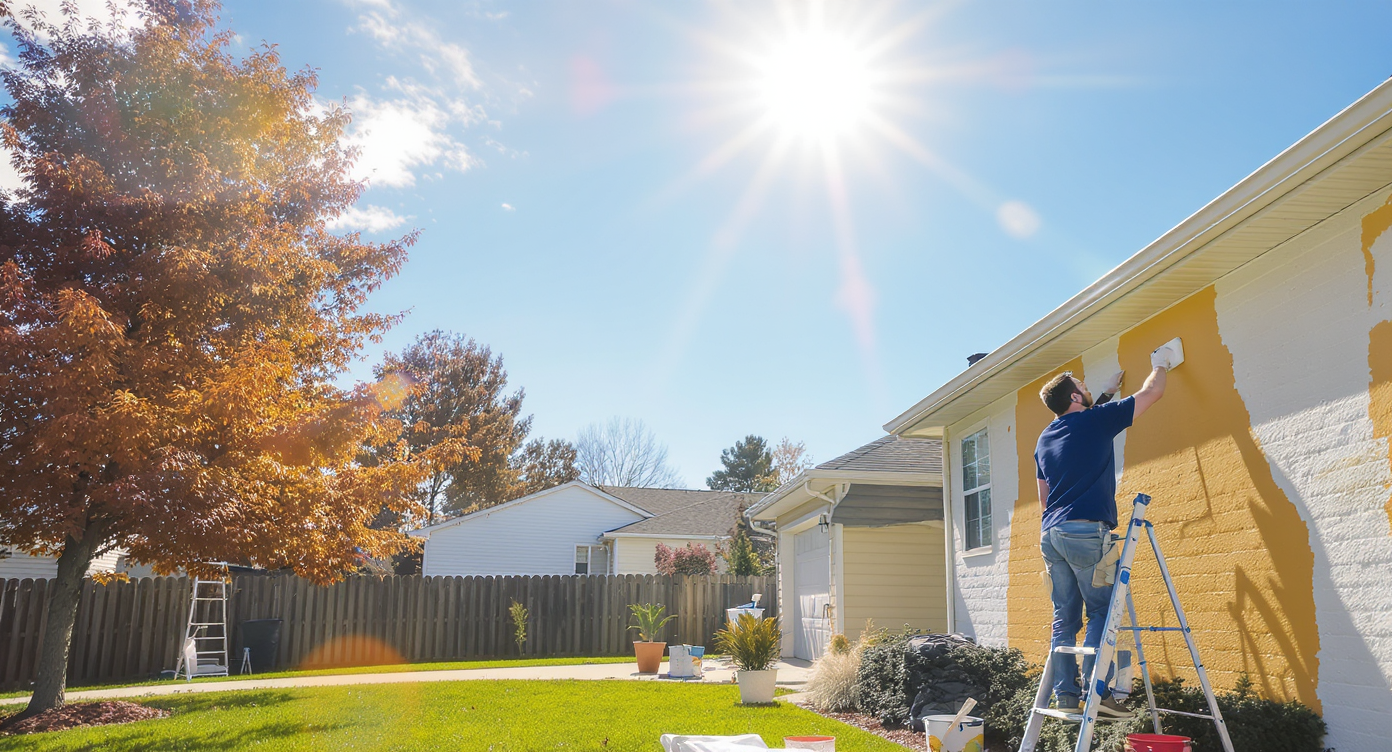
Understanding seasonal adjustments can greatly enhance your painting results.
Conditions like temperature and humidity greatly affect paint drying times and texture. Ideal painting occurs between 60-80°F with minimal humidity. If high gloss appears stubbornly glossy, the environment might be a contributing factor. Learning to adjust your approach according to the season ensures better adhesion and even finishes.
-
A Step-by-Step Solution for Repainting Cabinets
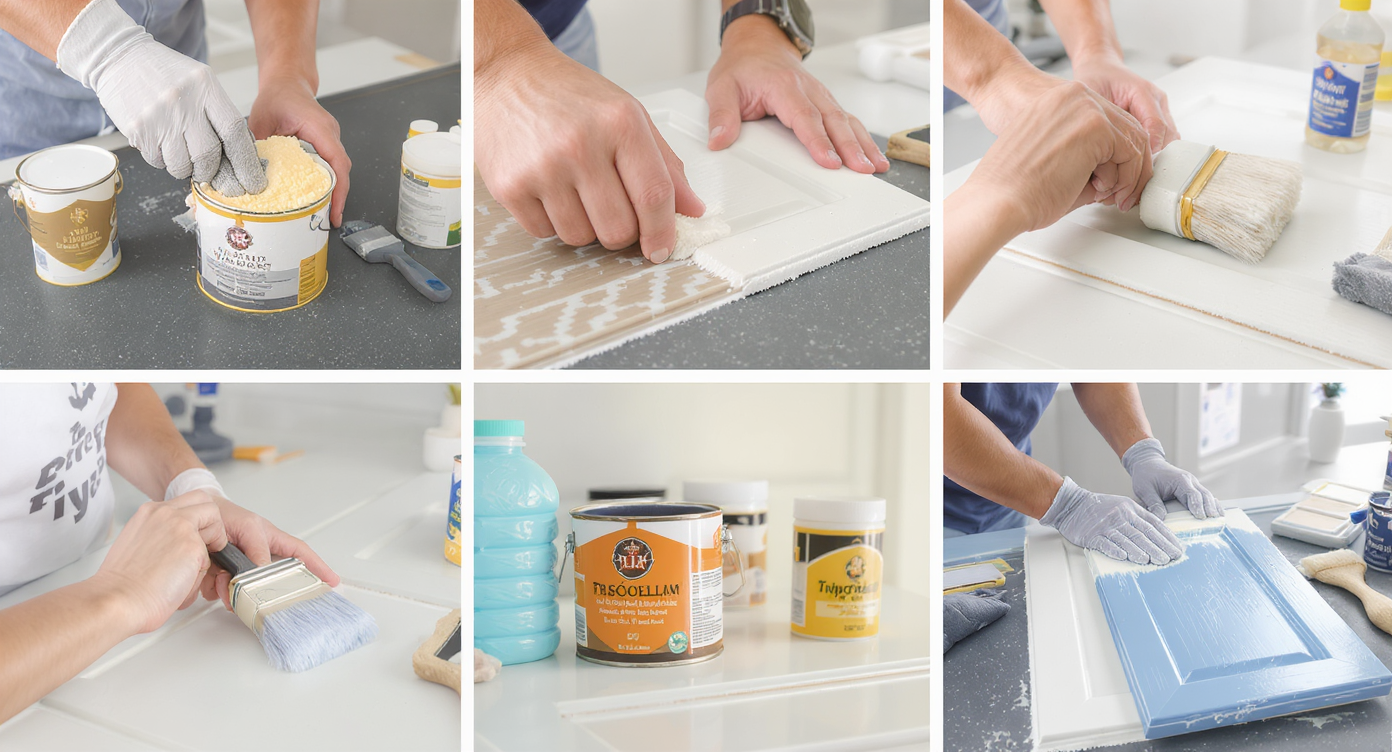
Follow these steps to achieve beautiful results while repainting cabinets.
For homeowners disheartened by their glossy cabinets, here’s a streamlined approach:
- Gently sand the surface with fine-grit paper to reduce sheen.
- Clean dust thoroughly before applying a primer suitable for the previous coats’ base (whether latex or oil-based).
- Apply a satin or eggshell finish, ensuring even coverage without over-brushing.
- Allow adequate drying time in a dust-free environment to achieve a smooth, durable finish.
-
Exploring Innovative DIY Materials and Techniques
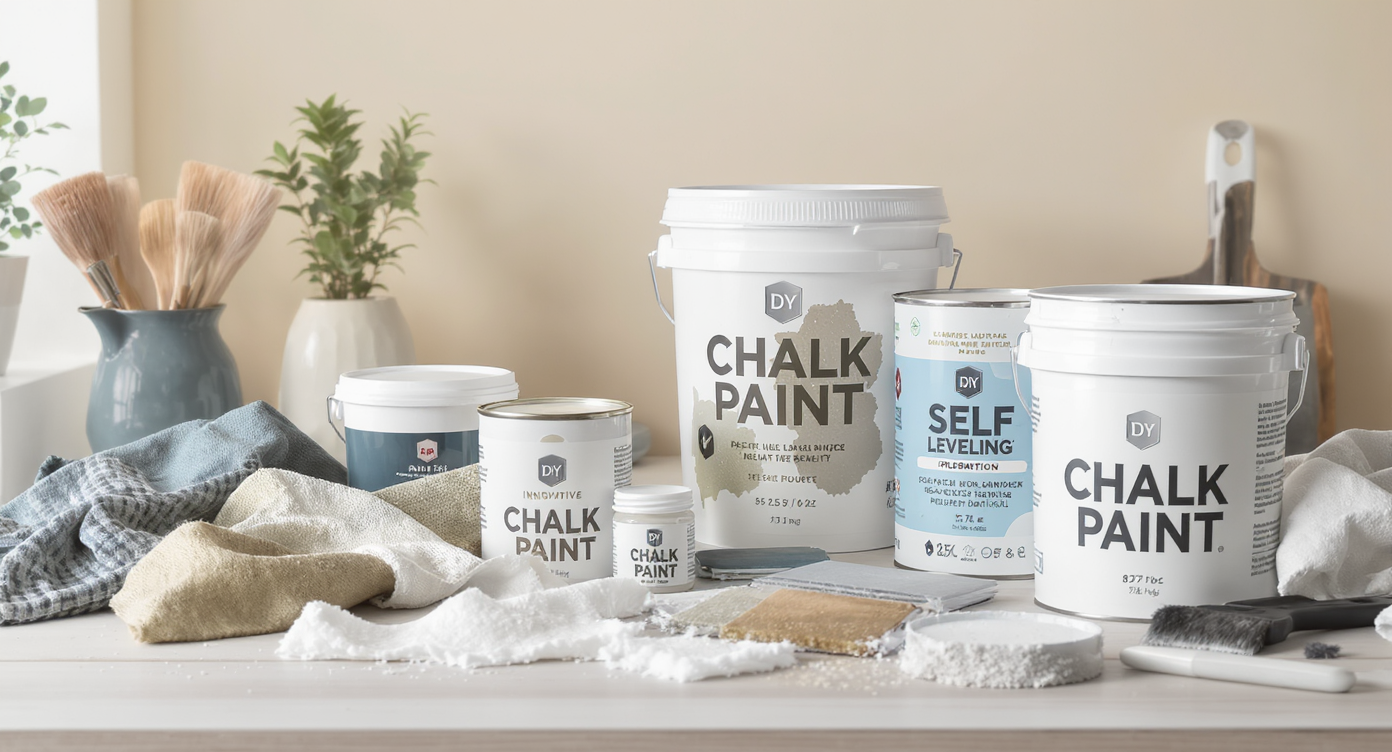
Exploring innovative materials can bring fresh ideas to your DIY projects.
New materials like chalk paint or self-leveling paints are gaining popularity for their ease in hiding imperfections. Keeping up with such advancements can empower DIY enthusiasts to tackle projects more confidently, ensuring both modernity and functionality in their results.
-
Overcoming Mental Challenges Post-DIY Setbacks

Overcoming setbacks is a part of the DIY journey; take time to reflect on your progress.
Failing to achieve the expected results can be discouraging. However, understanding that setbacks are a part of the learning curve can help maintain motivation. Every mistake is a step towards mastering home improvement skills. Embrace these moments, seek advice when needed, and remember that experience builds expertise.
Visualization Scenario
Imagine stepping into your newly painted kitchen: the soft, calm hue of the cabinets radiates warmth, while textured accents lend depth. The morning light filters in, delicately enhancing the space. Your initial panic has turned into pride, knowing the journey from a DIY error to a harmonious home was worth every minute.
Common Paint and Finish Questions
What should I do if my painted cabinets are too glossy? Sand lightly and reapply a matte or satin finish for a more subtle sheen.
Can I paint directly over a glossy finish? It's not recommended. Scuff-sand and prime the surface for better adhesion.
How do I decide between DIY and hiring a professional? Consider the complexity of the project and your skill level. Minor cosmetic updates can be DIY-friendly, but larger, structural changes often require a pro.
Why is proper lighting important in painting projects? Lighting impacts how colors appear and can help identify surface imperfections, ensuring better results.
Embracing the Learning Curve in Home Renovation
In the realm of DIY home improvement, mistakes are not failures but learning opportunities. Whether tackling cabinets or broader renovations, a thoughtful approach, grounded in research and preparation, promotes success. By considering expert advice, using digital visualization tools, and accepting when to call in professionals, homeowners can enhance their spaces with confidence. At the core, patience and resilience transform projects from problematic to pride-worthy.