12 Sustainable Home Staging Corrections That Attract Modern Buyers with AI Visualization
-
01. Swapping Out Synthetic Decor for Natural Materials
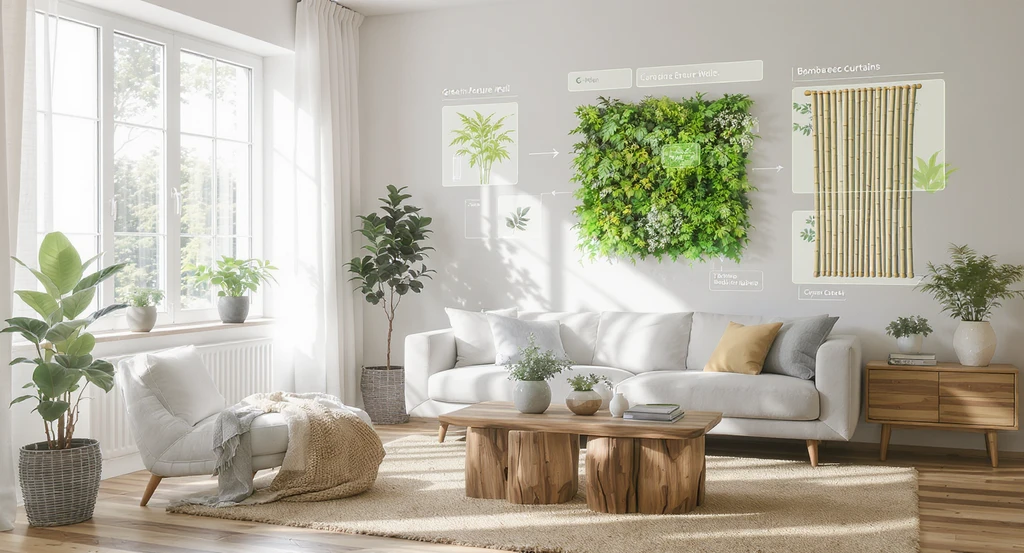
AI-powered sustainable home staging strategies highlight the impact of replacing synthetic decor with natural materials. This virtual staging scene demonstrates how using AI for eco-friendly interior design and natural materials visualization can elevate modern home appeal and support green home design decisions.
Using plastic or obviously synthetic décor is a frequent staging error. These materials can look temporary, often lacking the genuine character buyers seek in 2026. Synthetic elements may also reflect light unnaturally, making rooms appear less inviting in listing photos.
The correction is to select authentic materials such as oak, reclaimed wood, linen, jute, or bamboo. These add texture and warmth, reduce visual glare, and signal long-term investment. Previewing finishes virtually ensures the colors and grain patterns work together before you commit, a process simplified by REimagineHome AI. This lowers the risk of mismatched tones, as explored in our guide to 2026’s sustainable design trends.
-
02. Overlooking Biophilic Elements and Natural Light
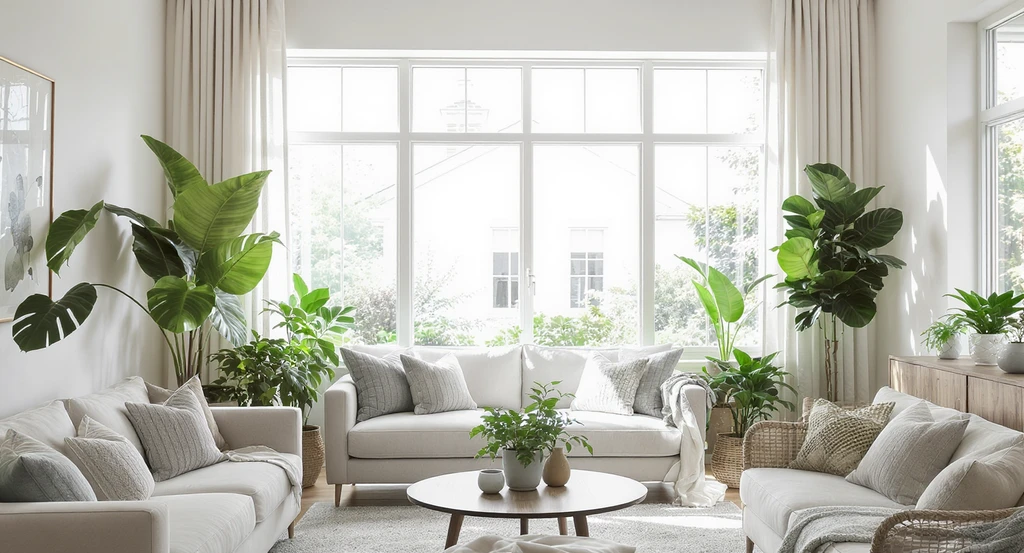
Virtual staging with natural materials visualization highlights how AI-powered sustainable home staging strategies use real plants and daylight to improve comfort and buyer appeal.
Many stagers still leave corners filled with artificial plants or decorative fillers instead of real, living greenery. This can make the environment feel inert and disconnected from nature. Insufficient daylight or poor plant selection may worsen the effect.
Integrate live plants, optimize window areas, and use organic textures. Virtually testing different plant species and placement helps avoid overcrowding or sun-scorched leaves. Good biophilic staging uses real foliage in appropriate scale and locations, improving comfort and visual balance, as also recommended in these budget-friendly eco home ideas.
-
03. Hiding Rather Than Showcasing Energy-Efficient Features
A common mistake is to ignore or conceal eco-upgrades like solar panels, double-glazed windows, or LED lighting, under the assumption they’re not aesthetically pleasing. This misses a key selling point for eco-conscious buyers.
Correction: Integrate these features visually with your staging. Use AI-powered virtual staging to show how energy-efficient upgrades blend with overall design, so buyers immediately spot long-term value. Avoid placing furniture or curtains that block windows or vents; this maintains both airflow and visibility of upgrades.
-
04. Relying on Uniform White Walls Instead of Earth Tones
Bright white walls often make rooms feel cold and clinical in photos, failing to enhance natural textures. Earth-inspired hues such as soft taupe, sage, or clay create a warmer, more inviting space and photograph well.
Correction: Choose wall colors that match flooring, furniture, and natural fibers. Preview paint samples digitally before committing, the right AI tool lets you balance brightness with texture and prevent harsh color contrasts.
-
05. Ignoring Vintage and Reclaimed Furniture Options
Replacing every piece with new, mass-produced furniture can create a look that feels generic and lacks spirit. Using too many mismatched reclaimed items, though, leads to visual chaos.
Mix a few curated vintage or reclaimed pieces with streamlined modern furnishings. Test placement and scale digitally to ensure the right fit and harmony, avoiding both overcrowding and visual inconsistency, something top home staging trends for 2026 highlight.
-
06. Reducing Natural Light by Blocking Windows
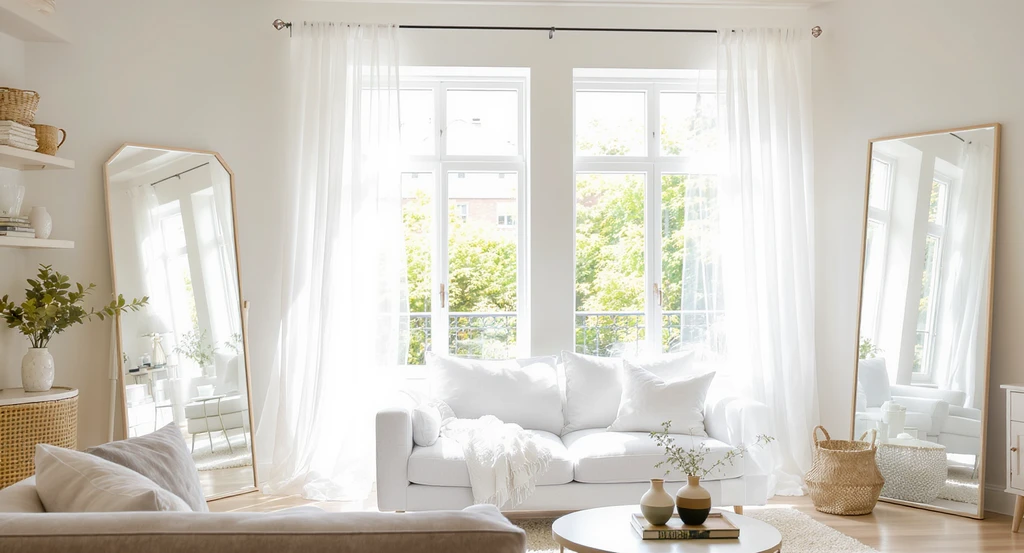
Using ai-powered sustainable home staging strategies, this living room demonstrates virtual staging with natural materials and mirrors to optimize sunlight and create eco-friendly, spacious interiors that appeal to modern buyers.
It’s an error to place bulky furniture or heavy curtains in ways that block or diffuse sunlight. This reduces perceived space and wastes the benefits of natural lighting, which buyers prioritize.
Correction: Use sheer window treatments, reposition seating away from window frames, and utilize mirrors to bounce light further. When needed, preview these changes virtually to avoid shadow imbalances or glare in the final staging arrangement.
-
07. Creating Cluttered Surfaces Instead of Calm Minimalism
A crowded space full of decorative knick-knacks dilutes room function and can shrink the appearance of square footage. This mistake often comes from thinking ‘more is better’ for styling.
The correction is clear: choose one or two substantial accents per surface, like a stone bowl or ceramic planter, to reinforce intentional minimalism. Declutter using AI to visually test different layouts with fewer objects, avoiding a sterile or sparse effect. Learn more about how AI decluttering previews boost buyer perception.
-
08. Missing Opportunities for Flexible Room Functions
Failing to define flexible zones, such as home offices or reading nooks, means buyers may not visualize how to use a space efficiently. Oversized or fixed furniture further limits perception of adaptability.
Create micro-zones with mobile or modular furniture. Use AI to stage different uses before rearranging, optimizing scale and leaving clear circulation paths around the room. This helps buyers imagine multiple purposes for each area.
-
09. Overcrowding Kitchen Counters Instead of Prioritizing Eco Updates
It’s a mistake to style kitchen counters with too many appliances or non-functional decor. This draws attention away from sustainable upgrades like natural wood boards or glass storage.
Correction: Display only a few eco-friendly accessories, such as recycled glass containers or bamboo trays. Use virtual staging to test layouts and prevent clustered, busy surfaces that compete for attention.
-
10. Selecting Non-Durable Textiles in Bathrooms
Using polyester towels or plastic accessories in bathrooms is a common oversight. These quickly look dated and send the wrong message about quality.
Replace with organic cotton, linen, or bamboo fabrics, complemented by neutral mats and simple greenery. AI visualization can help check if new textiles coordinate with existing tiles or cabinetry before buying, ensuring consistency in both scale and tone.
-
11. Neglecting Outdoor Views and Sustainable Landscaping
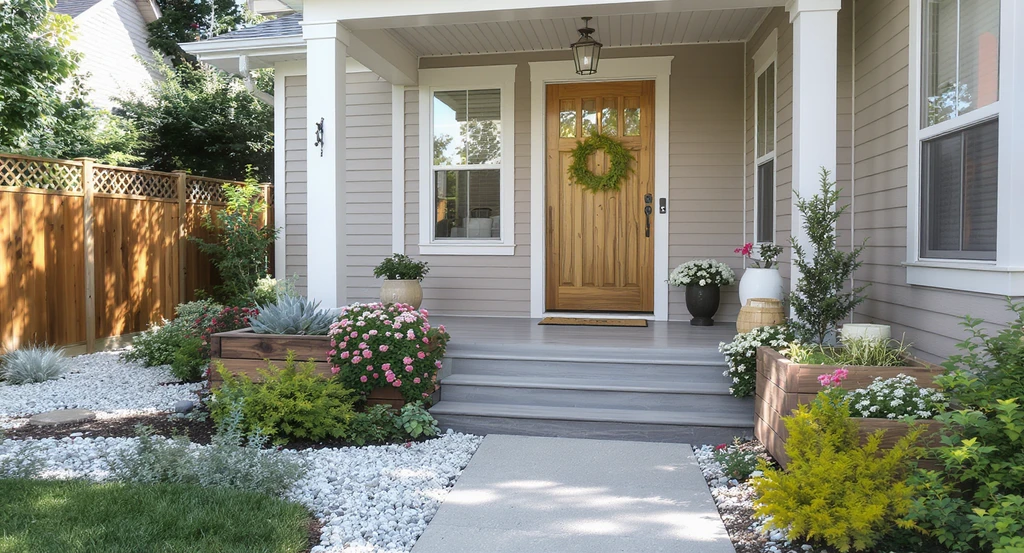
Using ai-powered sustainable home staging strategies, this eco-friendly entrance features native plants, wooden seating, and efficient water-wise landscaping, showcasing how virtual staging with natural materials visualization boosts curb appeal for modern buyers.
Overlooking the entrance or patio can undermine a property’s first impression. Unsustainable plastic planters or mismatched furniture can detract from curb appeal.
Incorporate native plants, wooden seating, and water-efficient landscaping. Preview different arrangements virtually, this avoids imbalanced layouts or blocked pathways, ensuring the outdoor approach feels spacious and appealing.
-
12. Skipping an AI Preview Before Physical Changes
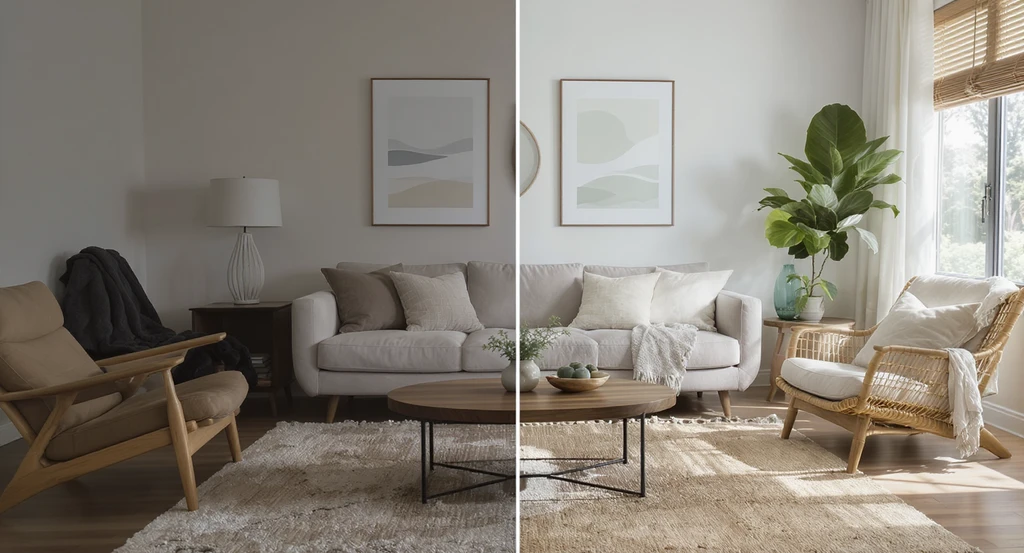
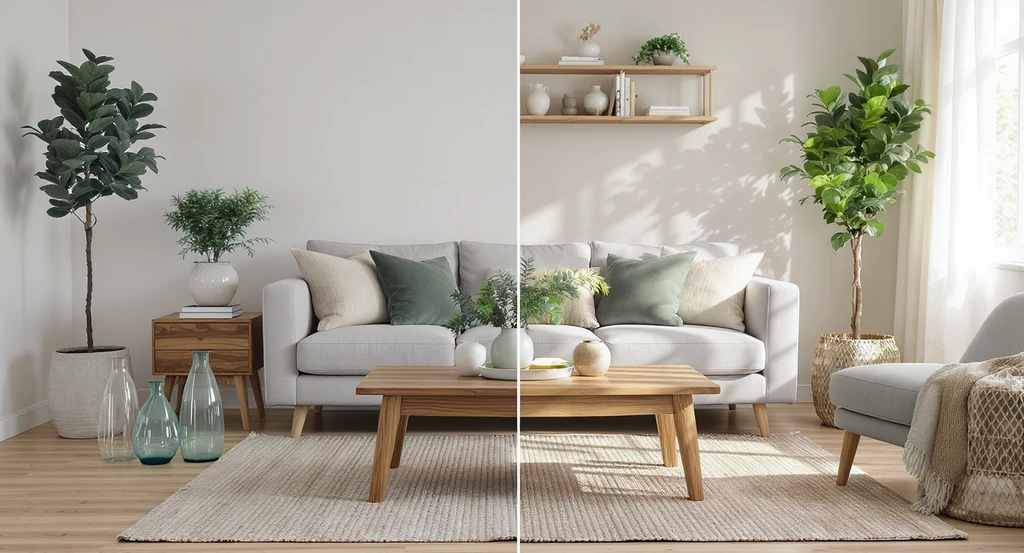
Demonstrating ai-powered sustainable home staging strategies, this split-view shows how using ai for eco-friendly interior design and virtual staging with natural materials visualization can help preview green home renovation choices, reducing costly mistakes and resource waste.
Many renovators skip the vital step of previewing all changes digitally before committing, leading to costly resets and wasted resources.
Utilizing AI visualization means you can try various furniture, finishes, colors, and layouts with your existing photos, avoiding scale errors, incompatible materials, or wasted purchases. This method is practical, reduces both cost and environmental impact, and is outlined in this eco-friendly home design guide.
Frequently Asked Questions on Eco Staging Corrections
- Does sustainable home staging increase home value?
- It can. Staging with long-lasting, eco-friendly materials and improved layouts appeals to buyers focused on durability and efficiency, as outlined in our guide to 2026’s eco-conscious staging trends.
- Is using AI for staging practical if I’m on a budget?
- Yes. AI-powered visualization lets you experiment with layouts and finishes before any physical purchase, saving money and reducing renovation waste.
- What’s the first staging upgrade I should correct?
- Start by auditing for synthetic materials and excessive surface clutter. Swap in natural textures and apply a minimal, purposeful arrangement throughout each room.
- How can I check my staging before listing?
- Take clear photos of each space, upload them to an AI staging platform, and review adjustments digitally to avoid scale, lighting, or material errors.
- Can these corrections work in traditional and contemporary homes?
- Absolutely. The layout and material corrections above apply to most home styles, focusing on universal principles of balance, function, and sustainability.
Key Takeaways and Practical Checklist
The most effective eco-conscious home staging removes visual mistakes and corrects layout issues—resulting in spaces that are comfortable, dynamic, and sustainable. By auditing for natural materials, ensuring energy-efficient features are visible, reducing clutter, brightening spaces with natural light, and using AI-powered previews before buying anything, you’re giving buyers the confidence to see themselves calling your listing home.
To recap, use this simplified staging checklist before listing your property:
- Prioritize natural materials and earth tones
- Maximize and highlight natural lighting
- Integrate real plants and biophilic touches
- Reduce accessory clutter, one substantial accent per surface
- Showcase energy efficiency (not hide it)
- Use multi-functional layouts where possible
- Landscape entrances with native greenery
- Test all changes virtually to prevent costly errors
Following these corrective steps supports modern buyer preferences for healthy, efficient, and truly livable homes.