9 Reasons to Stage Your Empty Home Before It Goes on the Market
TL;DR
Vacant homes sell slower because buyers struggle to visualize layouts and emotional potential. Staging, physical or virtual, helps buyers understand room size, function, and comfort, leading to stronger offers and quicker sales.
Why Empty Homes Typically Take Longer to Sell
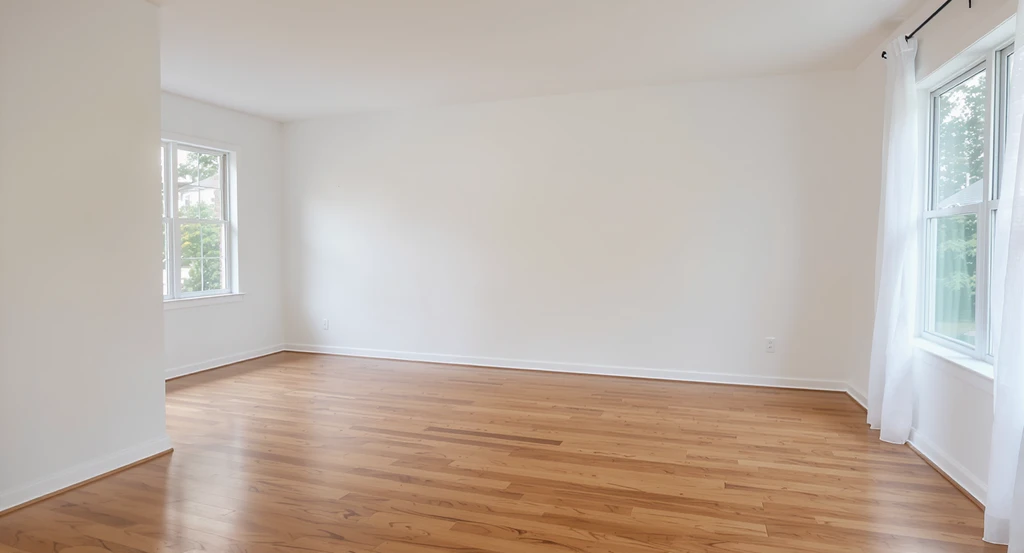
A vacant, sunlit living room with no furnishings demonstrates why empty homes sell slower; ai virtual staging for empty homes and the best ai home design tools for realtors can help attract buyers and address the visualization gap.
If you’re currently struggling to sell a vacant property, the simple answer is that most buyers have difficulty imagining themselves in empty rooms, no matter how great the location or asking price. Without furniture, it's hard for people to assess dimensions, emotional appeal, or even basic functionality.
Listing photos of empty rooms tend to get passed over quickly, and even in-person viewings may leave buyers uncertain about how their lives would fit the space. Luckily, addressing how empty spaces are perceived is possible with staging tools and thoughtful presentation strategies.
-
01. Visualization Gap: Buyers Can’t See Themselves Living There
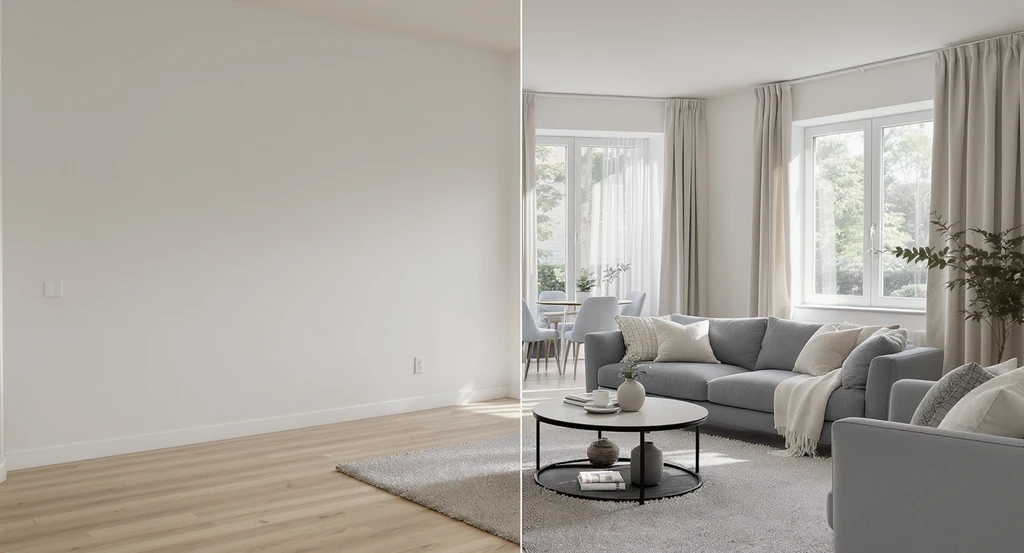
Using AI virtual staging for empty homes shows buyers clear furniture layouts, closing the visualization gap and helping realtors sell vacant properties faster.
An unfurnished space creates a major visualization problem. Most buyers can’t mentally fill an empty room with furniture or daily life. As a result, they question if their sofa will fit, where the bed should go, or how to arrange a dining area. This uncertainty often reduces interest and leads to fewer offers.
According to our article on affordable ways to make an empty living room feel like home, starting with foundational pieces and clear layouts helps buyers immediately sense how a space would function.
-
02. Empty Rooms Appear Smaller Than They Are
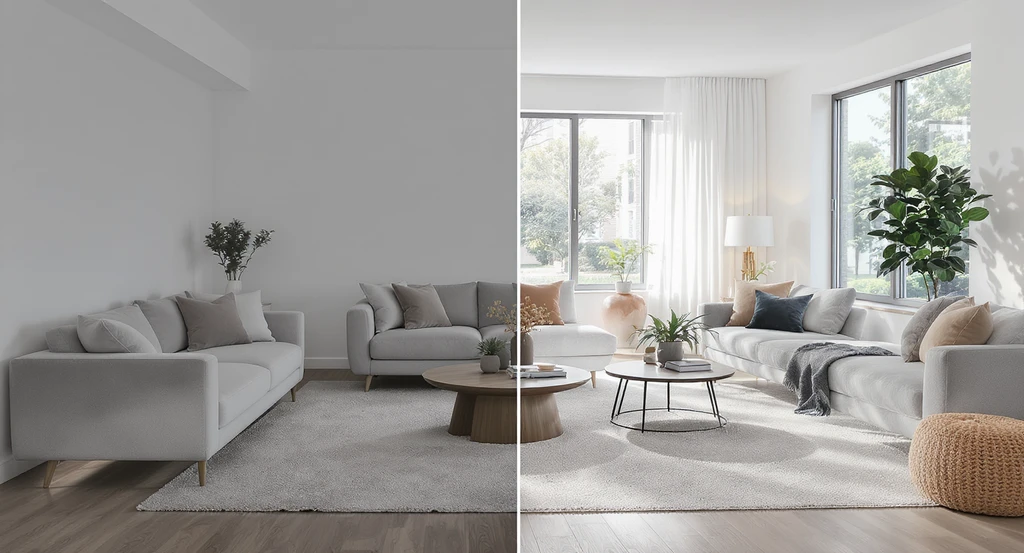
AI virtual staging for empty homes instantly demonstrates true room size, helping sell vacant properties. Using ai room visualization attracts buyers and highlights how the best ai home design tools for realtors and virtual renovation solutions clarify floor space in vacant listings.
Without correctly scaled furnishings as a reference, buyers commonly misjudge the size of an empty room. Furniture, when arranged properly, demonstrates walkways, usable floor space, and seating capacities, giving buyers confidence in their spatial assessments.
A simple corrective step: Use virtual or physical staging to add appropriately proportioned furniture. This helps buyers quickly understand true room size, overcoming the visual confusion of an empty space.
-
03. No Emotional Connection: Cold First Impressions
An empty home often feels sterile in photos and during viewings, making it difficult for buyers to form an emotional bond. Most people respond best to environments that feel warm and inviting.
Staging with soft furnishings and homely touches creates a comfortable baseline, as explained in our guide on why warm neutral homes sell faster. The aim is not decoration, but helping buyers imagine themselves living comfortably in the house.
-
04. Weaker Listing Photos Reduce Engagement
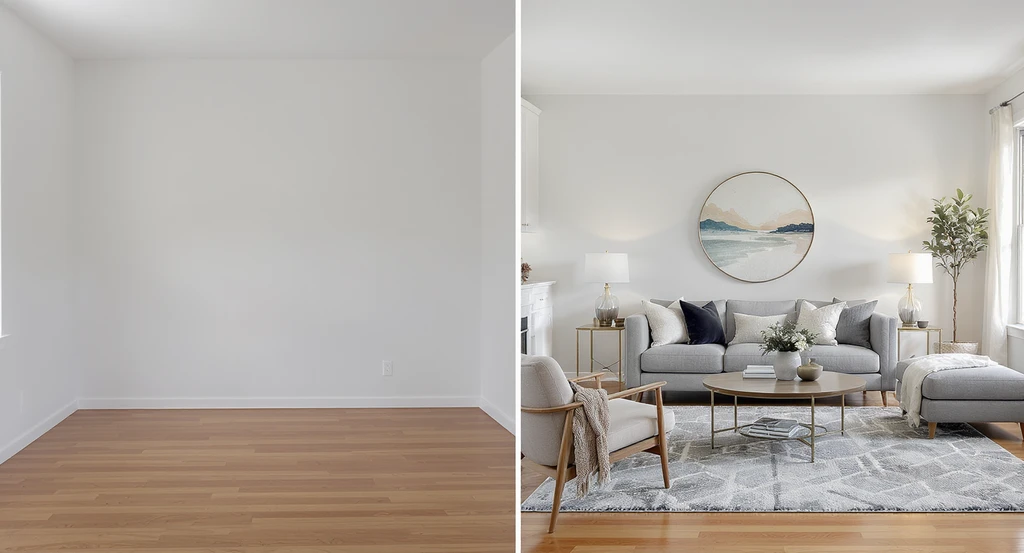
AI virtual staging for empty homes shows how vacant property photos become more engaging. AI home design tools and virtual renovation solutions help attract buyers and increase listing interest.
Most buyers browse listings online before deciding to visit in person. Unfurnished rooms offer little for the eye to focus on, making photos less memorable and listings less likely to receive follow-up interest. Furniture anchors the eye and illustrates how spaces are used.
A practical tip: Ensure key rooms like living areas and bedrooms are either staged or virtually furnished to improve the impact of photos, making your listing stand out to potential buyers.
-
05. Ambiguous Room Function and Flow
Some rooms, like dens, bonus spaces, or oddly shaped nooks, are especially confusing without staged furniture. Buyers need visual cues to identify purpose: is this a home office, playroom, or reading corner? Without context, buyers may assume spaces have no clear function.
Staging, physical or virtual, clarifies function and flow, preventing confusion and making the layout feel logical and usable. Previewing different layouts can help fine-tune room purposes for broad appeal.
-
06. The Space Feels Uninviting and Echoey
Acoustics change in empty rooms, sometimes creating echo or a sense of hollowness that feels odd to visitors. Visually, the lack of textiles, art, and lighting makes spaces appear unfinished or cold.
Address this by staging with area rugs, curtains, and even digitally added lighting or textiles, which increase warmth and minimize the unwelcoming feel common to vacant interiors.
-
07. Flaws and Imperfections Are Exposed
Unfurnished rooms tend to highlight minor damages or design quirks, scuffed floors, uneven paint, or awkward architectural features stand out more without decor drawing focus. Buyers are more likely to fixate on negatives.
A balanced solution: Strategic staging redirects attention to room strengths and helps diminish focus on inevitable flaws, as shown in the most effective home staging styles for 2026.
-
08. Empty Homes Raise Buyer Doubt
Vacant properties often make buyers wonder about the reason for the sale, how long the house has been on the market, or if there are hidden issues. These concerns can encourage lower offers or delay decisions.
Professional, staged listing photos and clear room functions reduce this uncertainty by helping the property feel maintained and purposeful.
-
09. Lost Opportunity to Guide Buyer Imagination
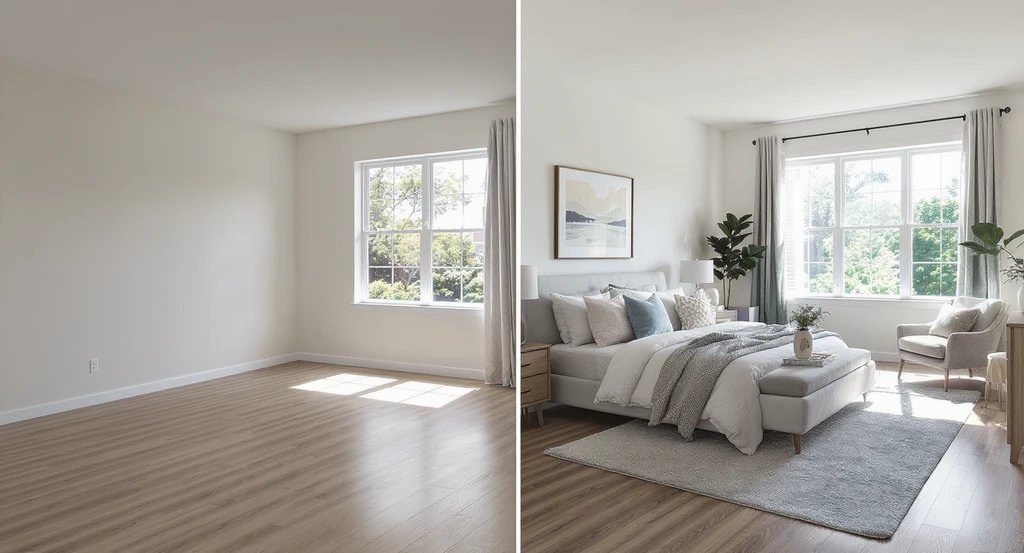
AI virtual staging for empty homes reveals livability and room layout, providing realtors and sellers with the best AI home design tools and virtual renovation solutions to attract buyers.
Strategic staging is more than decoration. It’s about providing layout guidance and helping buyers imagine their own lives in the space. The lack of context in a vacant home leaves buyers having to guess, which rarely boosts confidence.
Staging key rooms, especially the living room and main bedroom, using either rented furniture or virtual staging software, shows scale, flow, and livability. Learn more about overcoming these hurdles in our resource on practical fixes for the visualization gap in home staging.
FAQ: Vacant Home Selling Challenges
Why do empty homes seem less appealing to buyers? Most buyers struggle to visualize how rooms would look furnished, so empty spaces feel confusing and less inviting.
How does empty space affect listing photos? Unfurnished rooms appear smaller and flat in photos, making listings less appealing and reducing click-through rates.
What’s the best way to quickly improve a vacant home’s marketability? Staging main rooms—virtually or physically—clarifies function, improves visual scale, and builds emotional connection for buyers.
Is virtual staging a good alternative to physical staging? Yes. Virtual staging is often more affordable and flexible, especially for online listings, but always disclose staged images' digital nature.
Which rooms should be staged as a priority? Focus on living rooms, main bedrooms, and versatile areas where buyers most often struggle to visualize furniture placement.
Bridging the Gap: What Sellers Should Do Next
Vacant homes face extra hurdles when it comes to engaging and convincing buyers. The biggest issue is that empty spaces make it hard for buyers to visualize scale, function, and comfort. By strategically furnishing important rooms, whether through virtual staging, physical staging, or a blend of both, you greatly improve your chance of selling quickly and at a stronger price. The most effective staging isn't about style trends, but about providing clarity and emotional appeal. For further guidance, previewing your home’s potential, using tools like REimagineHome AI, can save time and help you get it right before making commitments.